
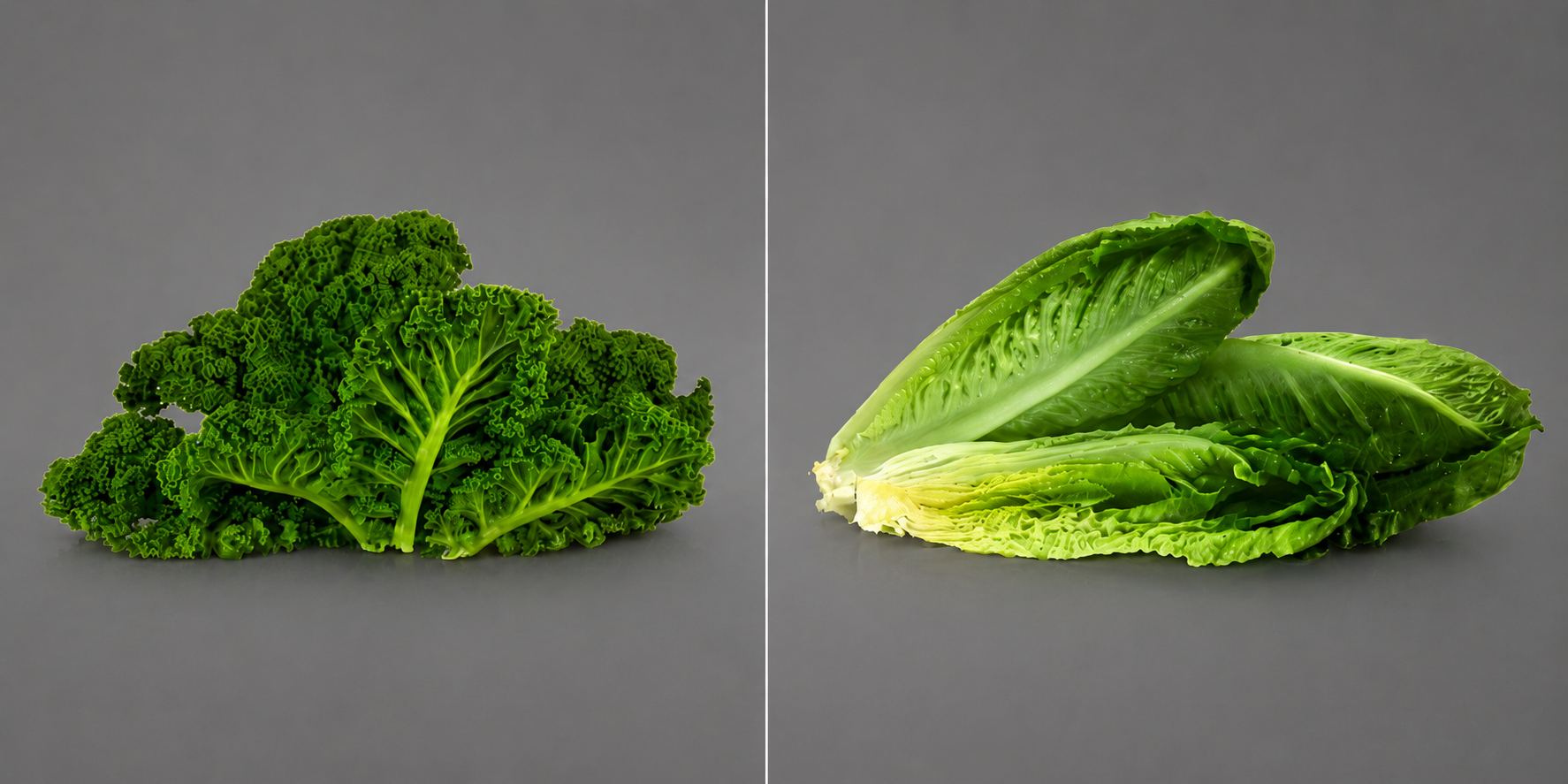
A decade ago, kale ascended from the bottom of the leafy food chain to become a celebrity-endorsed health food with its slightly sweet, cabbage taste and impressive nutritional bona fide.
However, the dark leafy green has some stiff competition when it goes head-to-head with tender, tasty romaine lettuce.
In this blog, we're breaking down the differences between kale and romaine so that you can confidently choose the right greens for your recipes.
Comparing Kale and Romaine Lettuce
| Feature | Kale | Romaine |
|---|---|---|
| Structure (Appearance) | Dark leaves with curly edges on stems | Long heads of light green leaves |
| Flavor/Texture | Tender, earthy, slightly bitter | Crisp, juicy, slightly peppery and sweet |
| Seasonal Availability | Fall through spring | Year-round with a peak in winter |
| Shelf Life | Five to seven days | Two to three weeks |
| Storage | Airtight bag in refrigerator | Airtight container in refrigerator |
| Best For | Salads, soups, smoothies | Salads, wraps, lettuce cups |
Kale: A Powerfully Nutritious Green
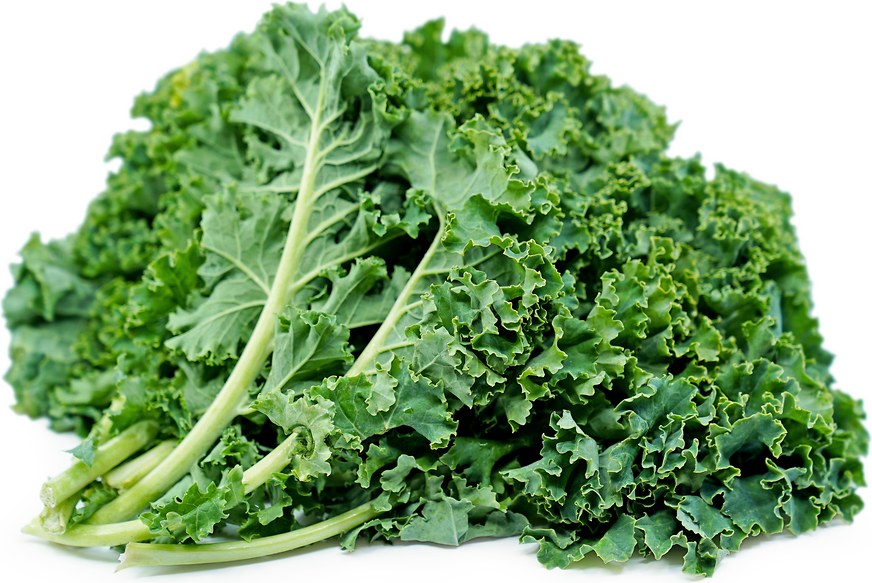
Origin
Kale originated in western Asia and the Mediterranean region 4,000 years ago.
Broccoli, cabbage, Brussels sprouts, and other cruciferous veggies all evolved from the same ancestor.
The ancient Greeks and Romans enjoyed kale for its nutritional and medicinal qualities.
Today, it's a beloved superfood popular in salads, smoothies, and soups.
Varieties
There are many varieties of kale on the market today, but here are the four main types:
Curly Kale: Arguably the most popular variety of kale, curly kale is known for its bright green color, ruffled edges, and peppery and somewhat bitter flavor.
Italian Kale: This variety has a slightly sweeter flavor than curly kale and is particularly tender, making it enjoyable to eat raw. It's sometimes called "dinosaur kale" due to its long, bumpy leaves that resemble dinosaur skin.
Russian Kale: Also known as flat leaf kale, Russian kale has large, fringed flat leaves. This variety boasts a mild, sweet flavor and a tender texture that's enjoyable both cooked and raw.
American Kale: Non-curly American kale species are most commonly grown in the Southeastern region of the United States. Although classified as kale, they share more in common with collards.
Prep & Cooking
When selecting kale, look for bunches with crisp leaves with no signs of yellow. Avoid kale with a strong odor, as this can be a sign it's turning.
Store kale in the crisper drawer of the refrigerator in an airtight plastic bag.
Wait to wash the leaves until you're preparing the kale.
When it's time, wash your kale thoroughly under running water.
If you plan to eat the kale raw, massage the leaves with your hands for a few minutes to soften them and reduce the bitterness.
Recipe Ideas
Kale and Napa Cabbage Chopped Salad
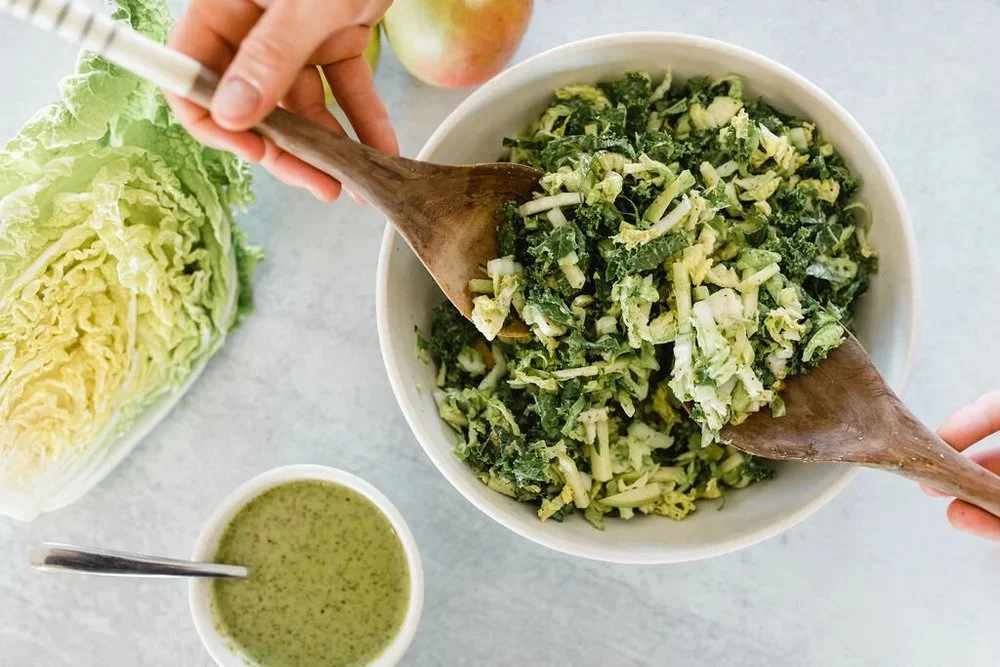
This chopped salad is the perfect healthy recipe for a hot summer afternoon.
Prepare the dressing by blending olive oil, apple cider vinegar, mustard, honey, dill, garlic, salt, and pepper.
Thinly slice napa cabbage, kale, Brussels sprouts, and an apple.
Combine the ingredients in a large bowl and toss with the dressing.
Garlic Parmesan Kale Chips
If you're in the mood for something crispy and salty, try these flavorful baked kale chips.
Remove the stems from the kale and chop it into large chunks.
Toss the kale with oil, salt, and garlic.
Bake the kale chips at 300 degrees until crisp, then sprinkle with parmesan.
Tuscan Kale Soup
Nothing is as comforting as a warm, savory soup. This Tuscan recipe combines creamy white beans, flavorful broth, and tender kale for an easy, healthy weeknight dinner.
Cook onion, carrot, and celery in oil until soft, then add garlic.
Add white beans, broth, and seasonings, and simmer until the vegetables are fully soft.
Blend half of the soup with an immersion blender, then stir in chopped kale until wilted.
Romaine: A Crisp and Refreshing Favorite
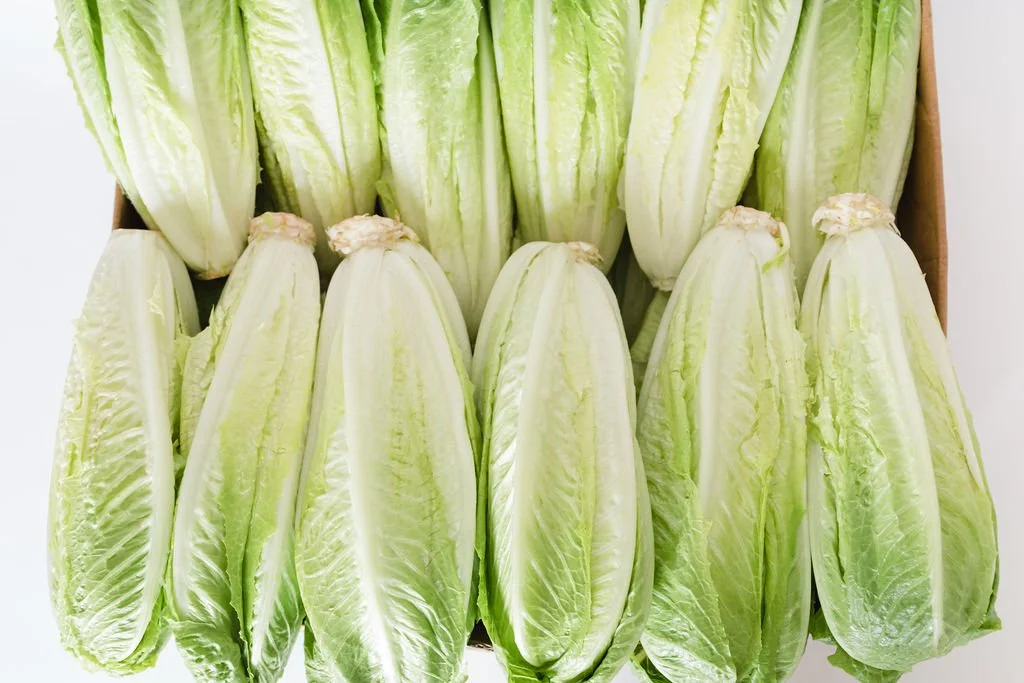
Origin
Romaine is most likely the oldest cultivated type of lettuce.
This leafy green appeared on ancient Egyptian tomb paintings dating back thousands of years.
Today, romaine is one of the most popular lettuces around the globe. In the United States, the vast majority of romaine is grown in California and Arizona.
Varieties
In the 1990s, Hitchcock Farms introduced Garden Hearts®, a romaine variety that consists of just the crunchy, sweet inner leaves of the lettuce head.
Baby romaine is another popular variety, harvested before full maturity to maximize its sweetness and crispness.
Hitchcock Farms also offers Little Gem lettuce, which is similar in texture and flavor to baby romaine.
Prep & Cooking
At the market, look for heads of romaine with bright, firm green leaves.
Wash your romaine with cold running water before storing it in the refrigerator.
Let the lettuce dry completely before storing it in an airtight container to maximize its lifespan.
To prepare romaine, you can either pull off the individual leaves, roughly chop the head, or thinly slice the leaves to achieve your desired cut.
Recipe Ideas
Caesar Salad

Caesar salad is a tried-and-true way to enjoy crisp romaine hearts. Serve it as an appetizer or side dish, or top it with chicken to turn it into a protein-packed main course.
Prepare the croutons by tossing cubed bread in oil and baking until browned.
Mix the dressing of mayonnaise, Worcestershire sauce, lemon juice, garlic, anchovy paste, salt, pepper, and parmesan.
Toss chopped romaine hearts with the dressing, and add the croutons and grated parmesan.
Romaine Heart Fattoush Salad
This Mediterranean-inspired chopped salad offers a delightful mixture of fresh flavors and textures.
Coat sliced pita bread in olive oil and bake until golden and crispy.
Mix the dressing by combining minced garlic, lemon juice, olive oil, cream, and salt.
In a large bowl, combine chopped romaine, red onion, Persian cucumbers, cherry tomatoes, parsley, feta, and mint. Add the dressing and toasted pita.
Curry Chicken Salad on Romaine
Romaine hearts are the perfect size, shape, and texture for lettuce cups. This curry chicken salad recipe is best enjoyed on fresh, juicy romaine spears.
Combine roasted, shredded chicken with mayonnaise, golden raisins, scallions, pistachios, celery, lemon juice, and seasonings.
Trim the ends off the romaine hearts, and peel off the outer layers.
Carefully remove the inner leaves of the romaine, and fill them with the chicken salad.
Kale and Romaine: Two Fan Favorites
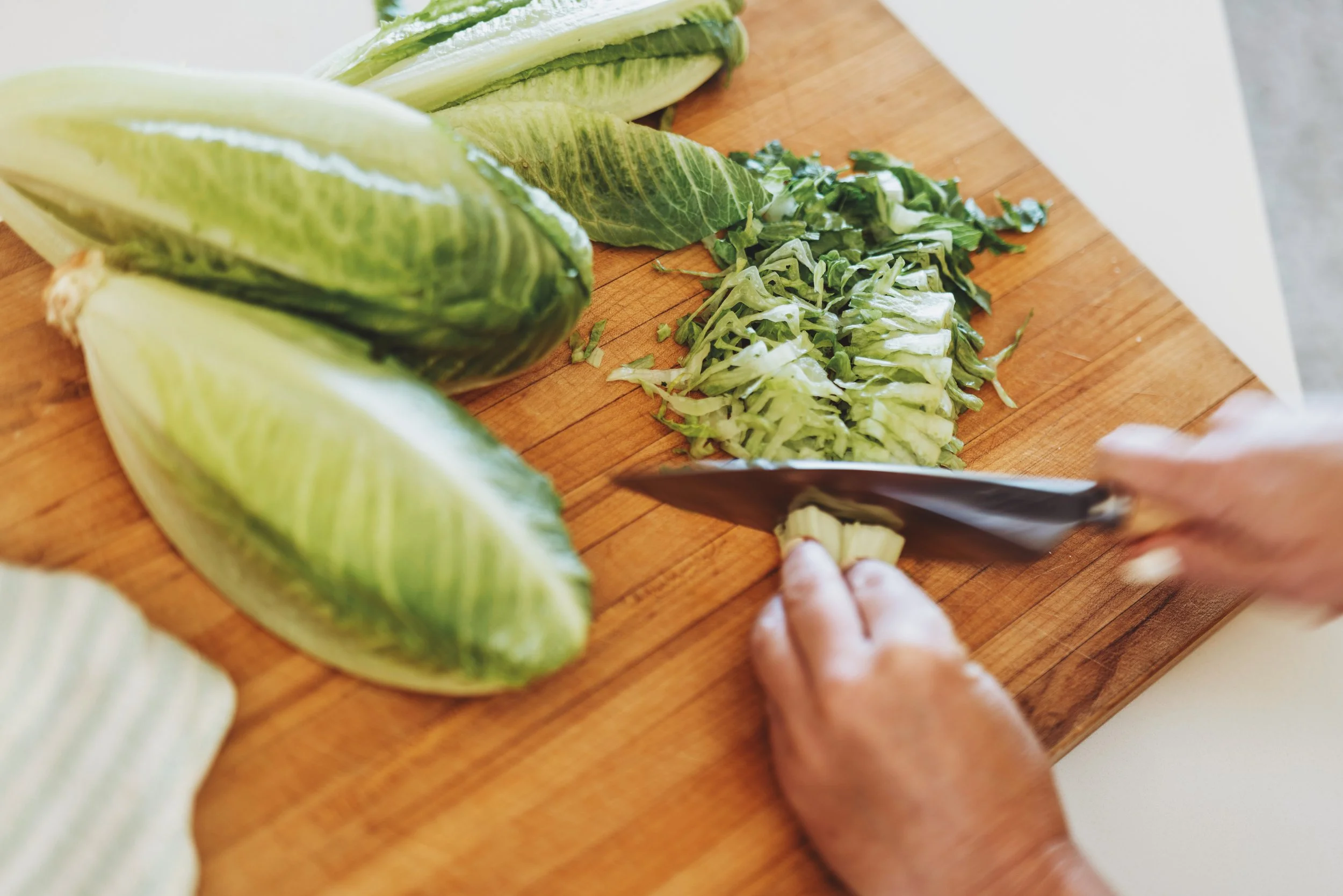
Leafy competition is always healthy, but kale and romaine will both grace restaurant tables with good taste for as long as diners enjoy delicious choices.
At Hitchcock Farms, we grow premium romaine and kale with the quality and care that keep diners coming back. We’re always happy to be at your service.
FAQ
Is romaine lettuce better for you than kale?
Both leafy greens are staples in a healthy diet, but kale is one of the most nutritionally dense lettuces.
Here's a breakdown of the nutritional differences between one cup of kale and one cup of romaine:
| Nutrient | Kale | Romaine | Takeaway |
|---|---|---|---|
| Calories | 33 | 8 | Romaine is much lower in calories. |
| Protein | 2g | 0.5g | Kale packs more punch with protein. |
| Fiber | 1g | 1g | Both offer great digestive support. |
| Potassium | 300mg | 116mg | Kale offers more heart-healthy potassium. |
| Vitamin K | 547mcg | 48mcg | Kale is a powerhouse for bone health. |
| Folate | 19mcg | 64mcg | Romaine is superior for cell function and pregnancy. |
Can I substitute kale for romaine lettuce?
Kale can make a good substitute for romaine in salads. Keep in mind, though, that romaine has a crispier and juicier texture.
Can you eat kale raw?
Yes, you can enjoy kale raw, but it's recommended that you massage it first to reduce its bitterness and improve its texture.

