

In today’s restaurant landscape, you must navigate harsher competition, higher operating costs, and rapidly evolving guest expectations to stay profitable.
Here at Hitchcock Farms, we're proud to partner with restaurants that are committed to offering the very best to their diners.
In this blog, we're sharing the key strategies for growing your restaurant's profits.
Why You Need a Smarter Strategy to Boost Restaurant Profits in 2026
As a foodservice professional, you may feel like the landscape of the restaurant industry is constantly changing.
However, if you learn to embrace the current trends, you can use them to your advantage.
Here are some of the biggest trends driving restaurant sales today:
Rising Costs
It's no secret that costs have gone up in the foodservice industry.
In 2026, labor costs have increased by 3.4%, while food costs are predicted to increase 2.9% by the end of the year.
For consumers, restaurant and foodservice prices have risen by 3.9% just in 2026.
To combat rising supply and operational costs, restaurant owners have been rethinking their menu engineering, sourcing, and margin strategies.
Social Platforms as a Driver of Dining Decisions
If your dishes are not showing up on social media, you are missing one of the most powerful and cost-effective marketing tools available today.
54% of diners now turn to platforms like Instagram and TikTok to discover where to eat next, and what they see on their feed drives where they spend their money.
Younger diners factor a restaurant's visual appeal directly into their dining decisions, with 79% of Millennials and 68% of Gen Z ranking a restaurant's Instagram and TikTok-worthiness as a key factor in where they choose to eat.
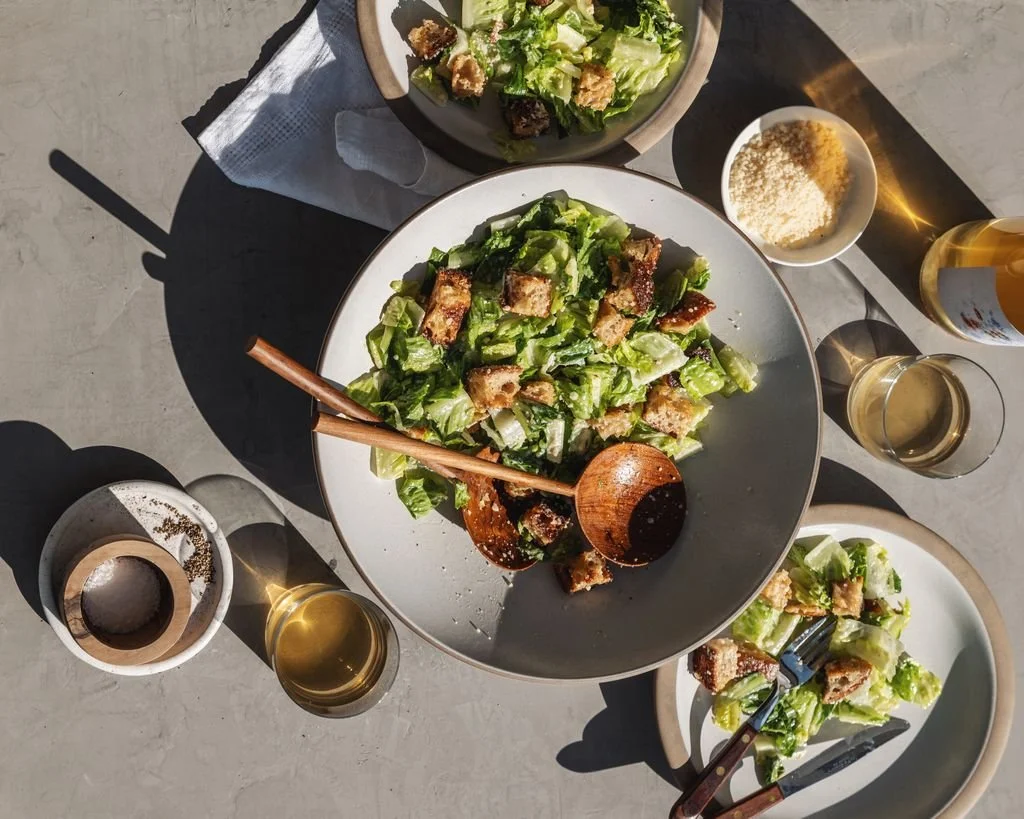
The good news is that you do not need a big budget or a marketing team to make it work. Plate your dishes in a unique and eye-catching way, shoot them in natural light, post them on the restaurant’s social media consistently, and you will turn followers into paying guests.
Hybrid Dining Expectations
Although in-restaurant dining is still popular for socializing, 75% of restaurant traffic now happens off-premises.
The convenience of takeout and delivery can't be understated in today's busy society.
If your restaurant offers both dine-in and takeout options, you get the best of both worlds.
Guests can enjoy your delicious menu offerings with friends in your dining room, or they can order in at lunchtime or on a work night.
Demand for Healthy Options
The National Restaurant Association predicts that the demand for clean eating will continue to dominate the market in 2026.
Consumers are looking for healthy options both for dine-in and takeout.
Diners want protein-rich meals, high-quality produce, and minimally processed menu items.
You do not need to overhaul your entire menu to meet this demand. Start small by swapping processed toppings for fresh produce or replacing refined grains with whole grains.
You can also partner with local farms and produce distributors to source higher-quality ingredients at a competitive price. Call out those partnerships on your menu and your social media channels. Diners notice when you invest in quality, and they reward it with loyalty.
5 Ways to Grow Restaurant Revenue
1. Strengthen Your Digital Presence

Today, digital marketing is key to connecting with restaurant customers.
Research shows that 72 percent of diners research restaurants on social media, and 85 percent share their positive dining experiences online.
A strong digital marketing strategy will help you leverage your online visibility.
For example:
Improve website user experience: Boost your mobile speed, use clear calls to action, develop readable menus, and include straightforward reservation and ordering paths.
Optimize for local search: Update your Google Business profile, maintain NAP (name, address, and phone number) consistency, and integrate local keywords into your site content.
Strengthen social media: Post consistently, showcase your behind-the-scenes content, highlight seasonal dishes, and engage with your followers.
Encourage and manage online reviews: Request reviews from satisfied guests, respond to feedback, and integrate positive testimonials on your site.
Implement a content marketing strategy: Publish blogs, recipes, chef features, and seasonal updates to increase organic site traffic.
Invest in high-quality photography: Use professional food images and optimize the alt text to boost your search engine optimization.
2. Expand Revenue Channels Beyond the Dining Room
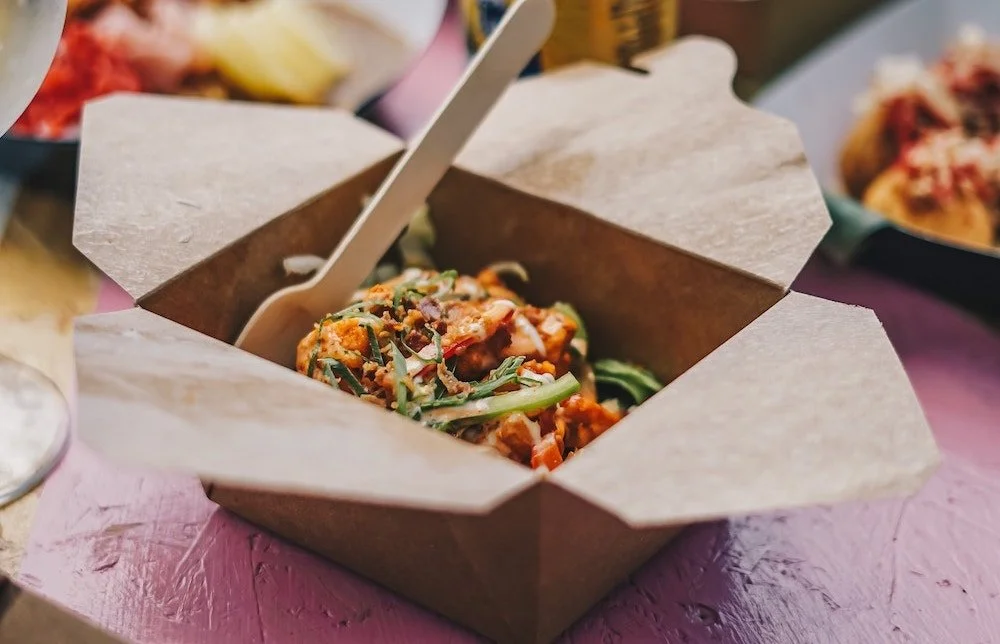
With the rise in demand for hybrid dining experiences, you can tap into a more diverse market by finding new and creative revenue streams.
Try any of these alternatives to the traditional restaurant experience:
Online ordering and delivery: Create your own system, or integrate with third-party platforms, simplifying your online menu for speed and clarity.
Improve takeout packaging: Use packaging that maintains food integrity and aligns with your brand image.
Develop catering programs: Offer corporate catering, event packages, and seasonal bulk menus.
Sell merchandise and retail items: Introduce branded apparel, packaged sauces, pantry items, or produce-based goods.
Promote gift cards year-round: Leverage the holidays and local gifting occasions to boost sales and introduce new guests.
Consider special product lines: Offer meal kits, ready-to-heat dishes, and family bundles that appeal to convenience-driven customers.
3. Optimize Operations to Maximize Profit
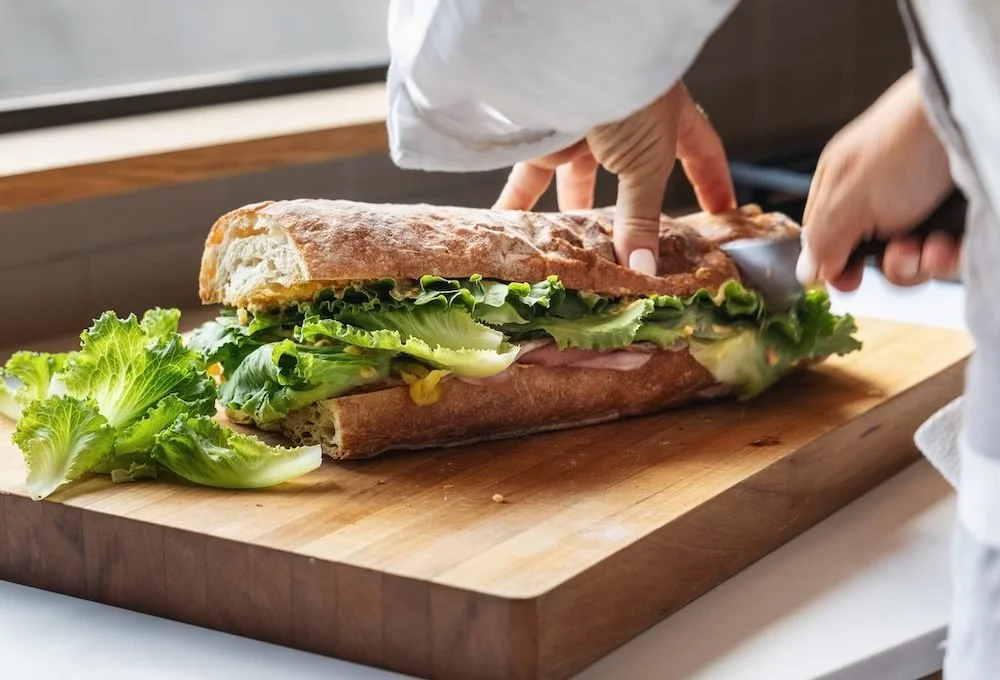
With food costs on the rise, commercial kitchens need to find other ways to reduce costs while maintaining high-quality menu offerings and exceptional customer service.
Use these strategies to streamline your operations:
Apply menu engineering principles: Identify your high-margin items, remove the underperformers, and rotate menus to highlight seasonal produce.
Control food costs: Track ingredient costs closely, reduce waste, and portion menu items strategically.
Embrace smart sourcing: Use premium produce to increase consistency and reduce spoilage in your kitchen.
Implement pricing strategies: Consider value bundles, prix fixe menus, dynamic pricing, and strategic price adjustments.
Increase table turnover: Enhance service flow, streamline payment processes, and use technology to minimize wait times.
4. Elevate the In-Restaurant Guest Experience
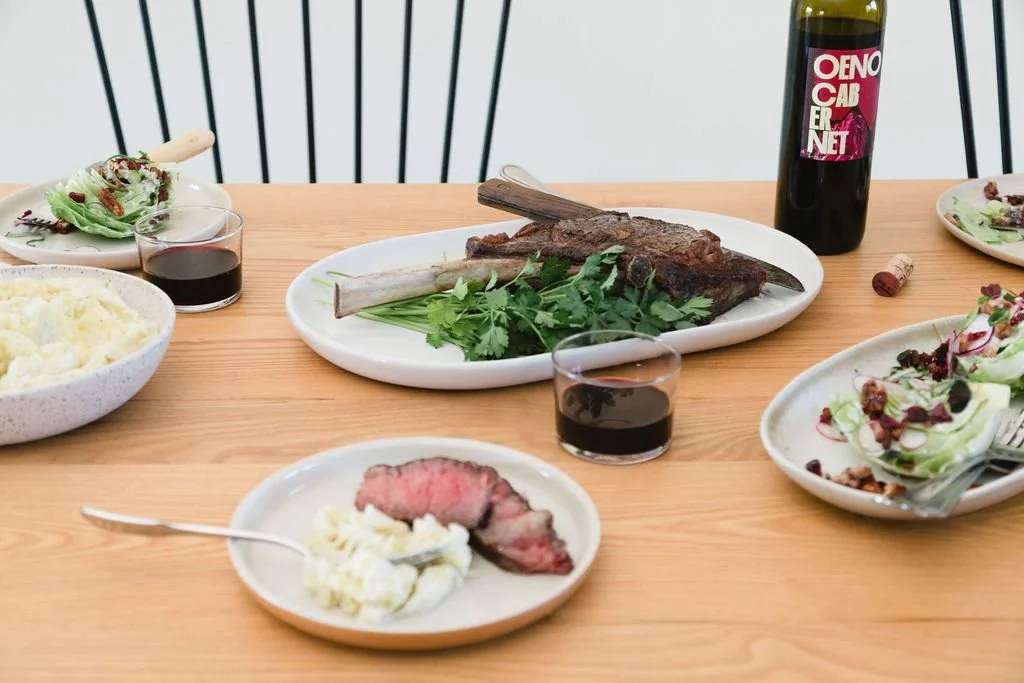
A memorable dining experience drives repeat visits, higher spending, and word-of-mouth recommendations.
Try these ideas to give your customers something to talk about:
Improve ambiance: Optimize the lighting, music, scents, seating, and decor to influence customer comfort and spending behavior.
Add memorable touches: Chef's table offerings, tableside experiences, birthday surprises, personalized notes, or seasonal signature dishes.
Train staff to upsell and provide warm, confident service: Encourage meaningful recommendations and personalized interactions.
Use premium ingredients: Source your menu offerings from the best suppliers, such as Hitchcock Farms, which offers high-quality, long-lasting produce that enhances both the flavor and presentation of your plates.
5. Use Marketing to Drive Repeat Business and Customer Loyalty
Consistent guest engagement will fuel you through 2026 and beyond.
Build a loyal customer base and keep your diners coming back with these strategies:
Implement a loyalty program: Use points-based rewards, exclusive offers, or member-only events.
Leverage email and SMS marketing: Send exclusive offers, seasonal menu updates, event announcements, and personalized promotions to encourage customer retention.
Use targeted promotions to fill slow periods: Happy hours, limited-time offers, theme nights, and chef specials will fill your dining room even during the off-season.
Build community connections: Offer promotions or catering deals to schools, nonprofits, hotels, co-working spaces, and local events to increase visibility.
Personalize communication: Use customer data to tailor offers, recommend favorites, and create memorable return experiences.
It's Our Pleasure to Serve You
From front to back of house, you handle it every day, serving up the best customer experience possible.
As long-time members of the foodservice industry, we share your commitment.
You can count on Hitchcock Farms to deliver our best, fresh from our fields to your tables.
FAQ
-
The average profit margin for a full-service restaurant is 3% to 5%, while fast casual eateries can have a profit margin of 6% to 9%.
-
Fast casual restaurants and catering businesses tend to be the most profitable.
However, all types of restaurants have the potential to make a great profit with the right strategy.
-
To keep your dishes fresh, exciting, and in-season, update your restaurant menu once every three to four months.

