
Cabbage is one of the most popular vegetables in the world, with over 70 million metric tons produced every year.
This leafy green veggie comes in a number of different varieties, each with its own unique use in the kitchen.
In this blog, we're breaking down the differences between savoy cabbage and green cabbage so that you can select the best produce for your recipes.
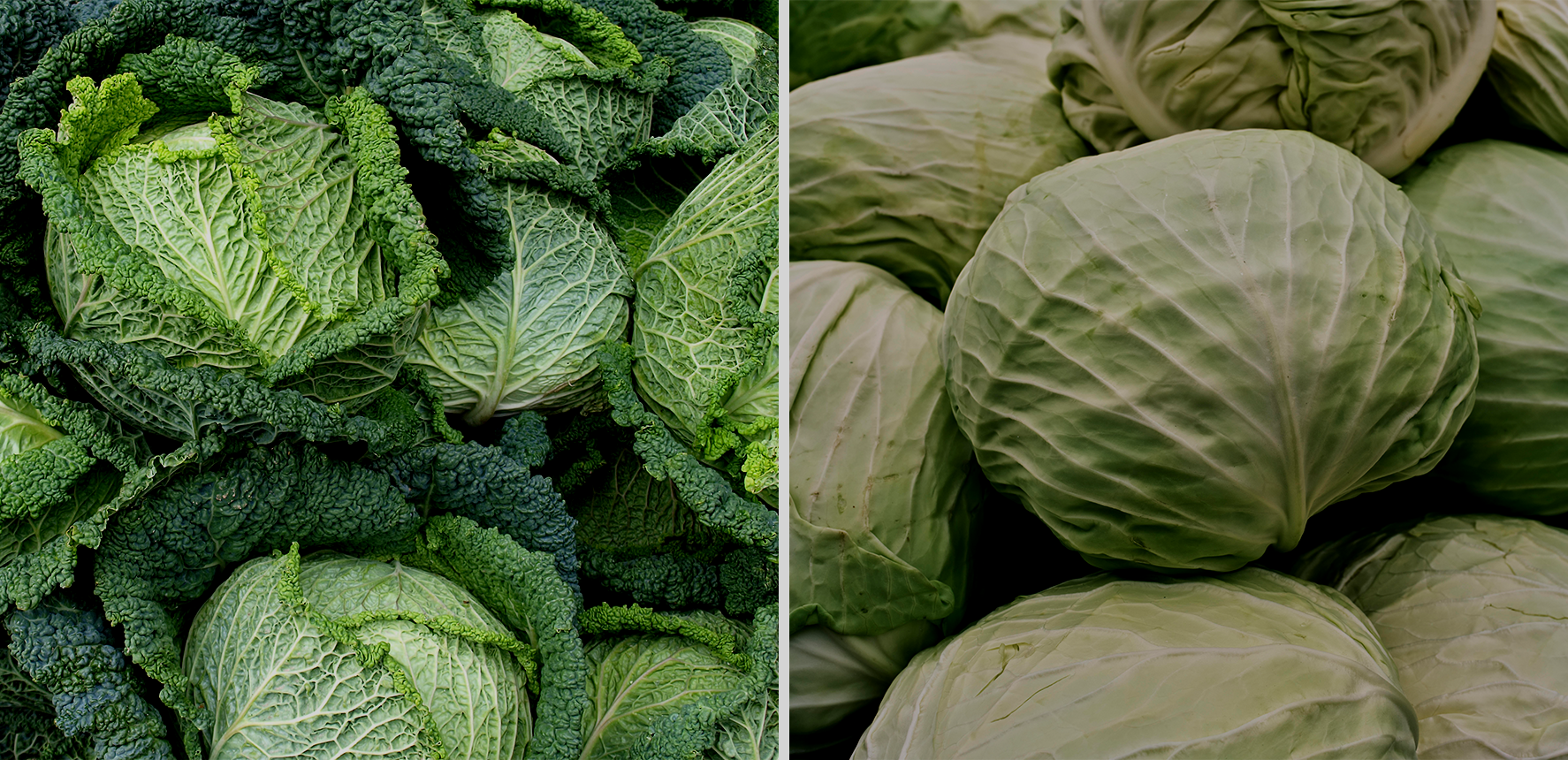
Green Cabbage vs Savoy Cabbage: Key Similarities and Differences
| Feature | Savoy Cabbage | Green Cabbage |
|---|---|---|
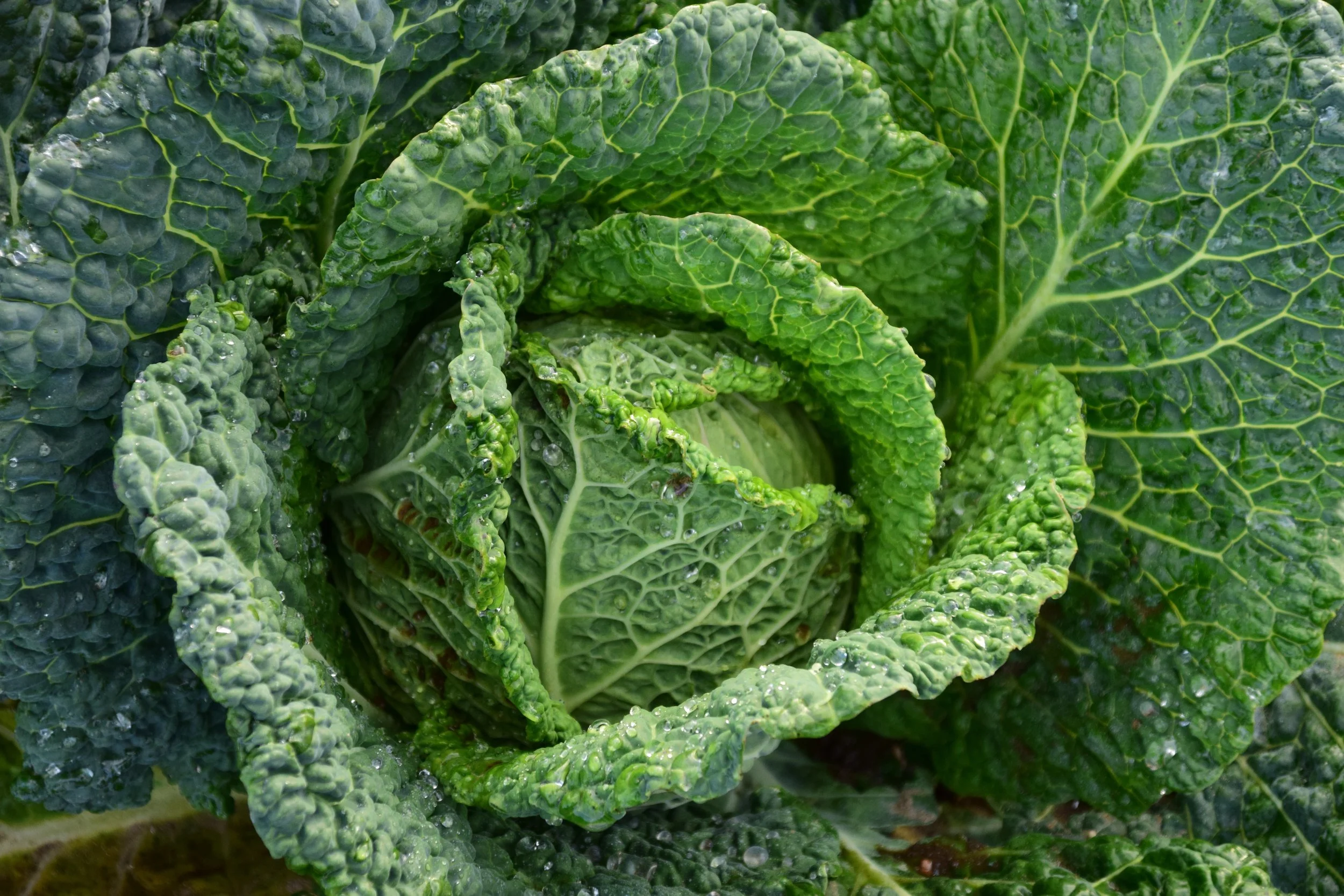
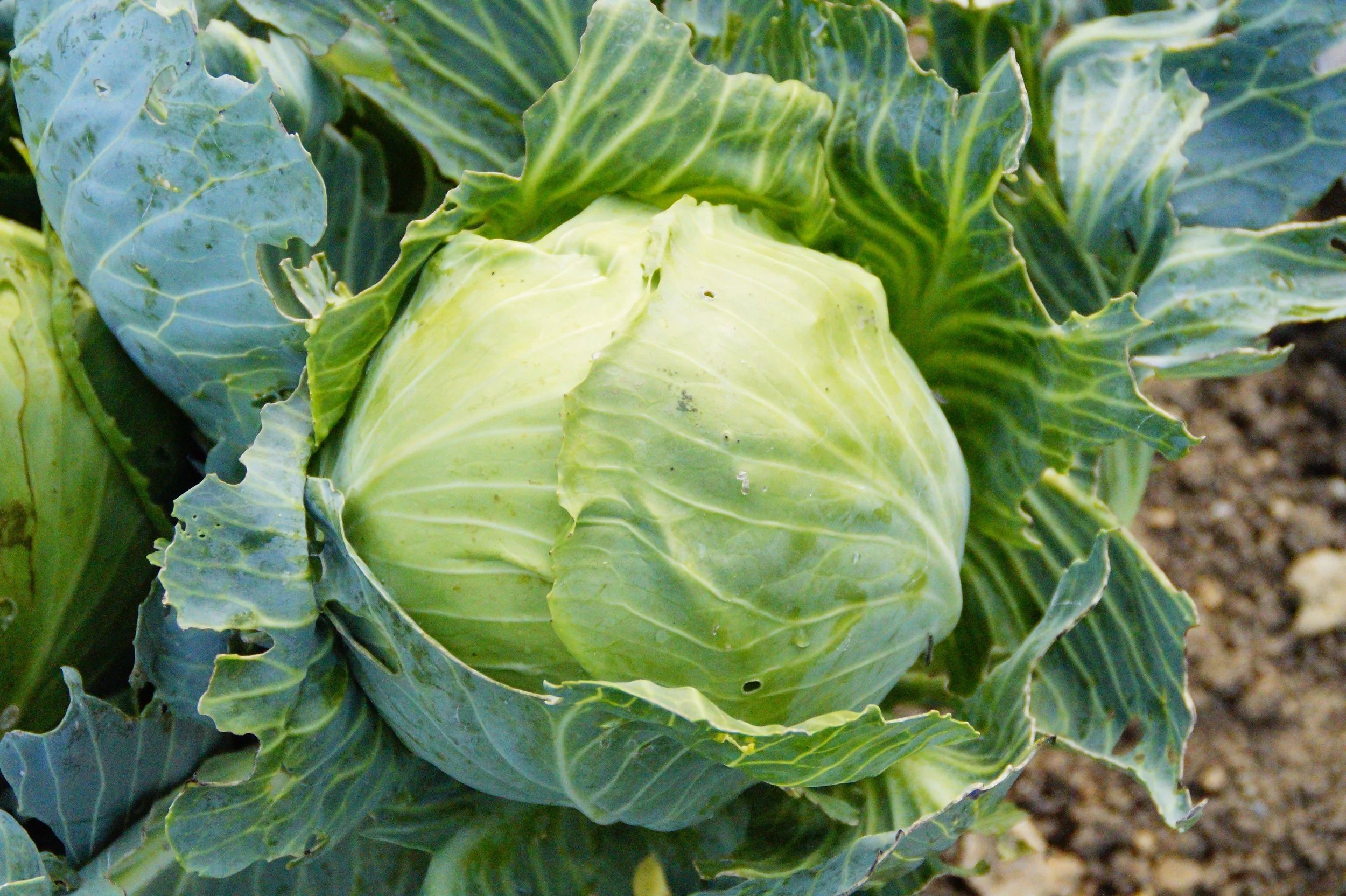
| Structure (Appearance) | Round heads with loose and ruffly leaves | Large round heads with wide leaves |
| Flavor | Sweet and slightly nutty | Peppery when raw; milder when cooked |
| Texture | Tender outer leaves and crisp inner leaves | Crisp and crunchy with tender outer leaves |
| Nutrition (Per 1 cup) | 1.4g protein, 2.2g fiber, 20mg magnesium, 25mg calcium, 161mg potassium | 0.9g protein, 1.8g fiber, 8.4mg magnesium, 28mg calcium, 119mg potassium |
| Seasonal Availability | Year-round with peak in winter and spring | Late fall through early spring |
| Shelf Life | Up to two weeks uncut in the refrigerator | Three to four weeks uncut in the refrigerator |
| Storage | Store whole heads unwrapped in refrigerator; store cut heads tightly wrapped | Store unwrapped and unwashed in refrigerator; store cut pieces tightly wrapped |
| Best For | Stir-fry, soups, roasting, grilling | Slaws, salads, wraps |
Savoy Cabbage: A Sweet and Versatile Favorite
Origin
Like with many veggies, the origins of savoy cabbage are debated.
Cabbage as a whole species can be traced back to the Mediterranean region.
Most likely, savoy was originally cultivated in Europe. The first records of the crinkly vegetable date back to the 16th century.
Some accounts report that the name "savoy" comes from the Savoy region of France. Others say the name comes from the House of Savoy, an Italian royal family.
We may never know with certainty the origins of savoy cabbage, but we do know that it's been enjoyed around the world for hundreds of years.
Varieties
Savoy is one of the most popular varieties of cabbage.
It's similar in many ways to napa cabbage, also known as Chinese cabbage.
Napa has longer heads and paler leaves, while savoy is known for its distinct crinkly leaves.
However, the two have a similar flavor and texture when cooked, making them great substitutes for one another.
One popular variety of savoy cabbage is mini savoy. Heads of mini savoy are smaller, making the vegetable even sweeter.
Prep & Cooking
When shopping for savoy cabbage, look for firm and heavy heads with bright green leaves.
The outer leaves will be ruffled, but they shouldn't be limp or wilted.
Don't wash the cabbage until you're ready to use it. Washing the vegetable can make it wilt and age faster.
The inner leaves of savoy have a crisp, crunchy texture that's great for salads or slaws.
The outer leaves are more tender, making them ideal for cooked dishes.
Once you've washed and prepped the cabbage, you can store leftovers by tightly wrapping them and stowing them in the crisper drawer of your fridge.
Recipe Ideas
Rice Noodle Stir Fry
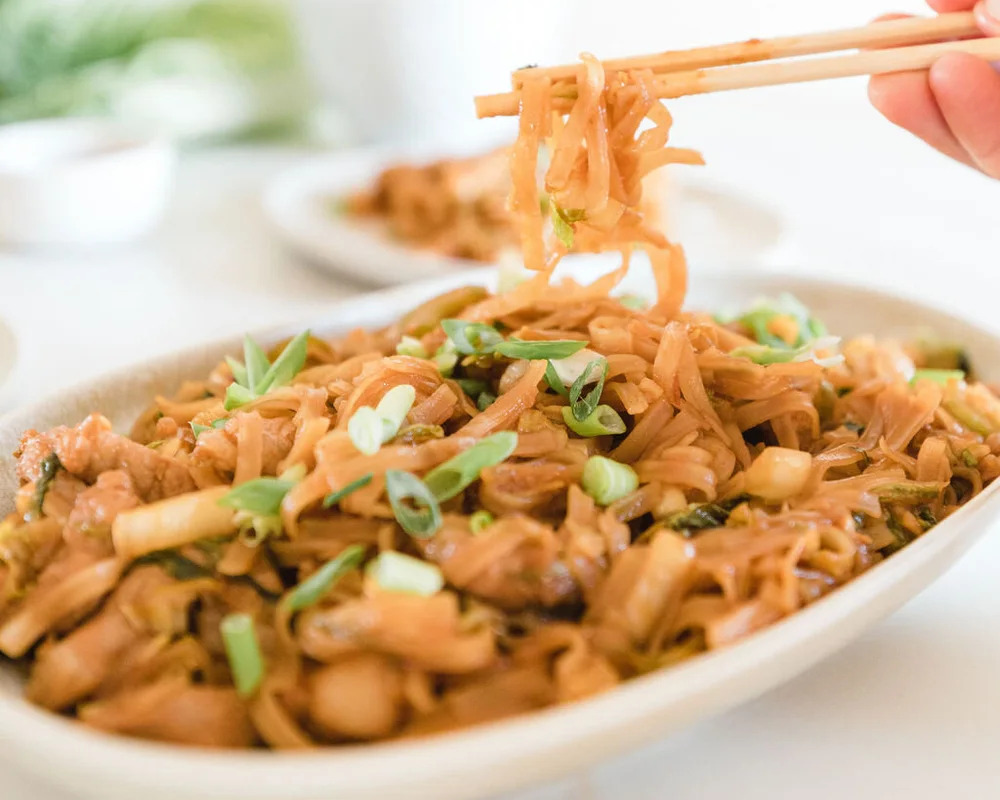
This rice noodle stir-fry calls for napa cabbage, but savoy makes an excellent substitute. Plan to make a big batch of this Asian-inspired dish as the leftovers will taste even better the next day.
Prepare a sauce by mixing soy sauce, rice wine vinegar, brown sugar, and chili garlic.
Cook seasoned, sliced pork chops in an oiled pan until mostly browned.
Add cabbage, celery, and aromatics.
When the meat is fully cooked, add the sauce, rice noodles, and scallions.
Grilled Cabbage With Salsa Verde
This grilled cabbage recipe works perfectly with savoy, especially if you want to highlight the vegetable's natural sweetness.
Prepare the salsa verde by combining oil, lemon juice, salt, capers, pistachios, shallots, and parsley.
Cook quartered cabbage in a cast iron pan until charred, then top with the salsa.
Cabbage Rolls
Stuffed cabbage rolls are the ultimate comfort dish. They're warm, filling, and versatile, and can be served as an appetizer, side, or main.
Mix together the filling of cooked pork, carrots, rice, egg, sauce, salt, and pepper.
Blanch the cabbage leaves by cooking in boiling water for about three minutes, then dab them dry and remove the stems.
Add the filling to the leaves and roll them up.
Place the rolls on an oiled, heated skillet, seam-side down. Cook until golden brown.
Green Cabbage: The Classic Kitchen Staple
Origin
Cabbage has a long and rich history that dates back thousands of years. Wild cabbage was first domesticated in the Mediterranean region.
Green cabbage was particularly popular in ancient Rome. Its medicinal properties and health benefits were written about extensively by Cato the Elder.
Julius Caesar brought the vegetable to England, where it eventually escaped its gardens and started growing in the wild.
It was also introduced to Asia through the Silk Road. Traders then brought pickled cabbage back to Europe, which is now a popular dish across many cultures.
Varieties
Green cabbage is one of the oldest and most popular varieties of cabbage.
It's similar to purple cabbage, also called red cabbage. These two varieties can typically be swapped out for one another.
The main difference between green and purple cabbage is simply their colors.
Prep & Cooking
Select heads of cabbage with firmly packed, light green leaves. Avoid cabbage with brown spots or wilting leaves.
Rinse the cabbage thoroughly with water right before prepping it.
To chop the cabbage, cut it in half from the tip to the root. Then, use the knife to carefully remove the core.
From here, you can either chop the cabbage into wedges or slice it into thin strips.
Recipe Ideas
Cabbage and Radicchio Salad
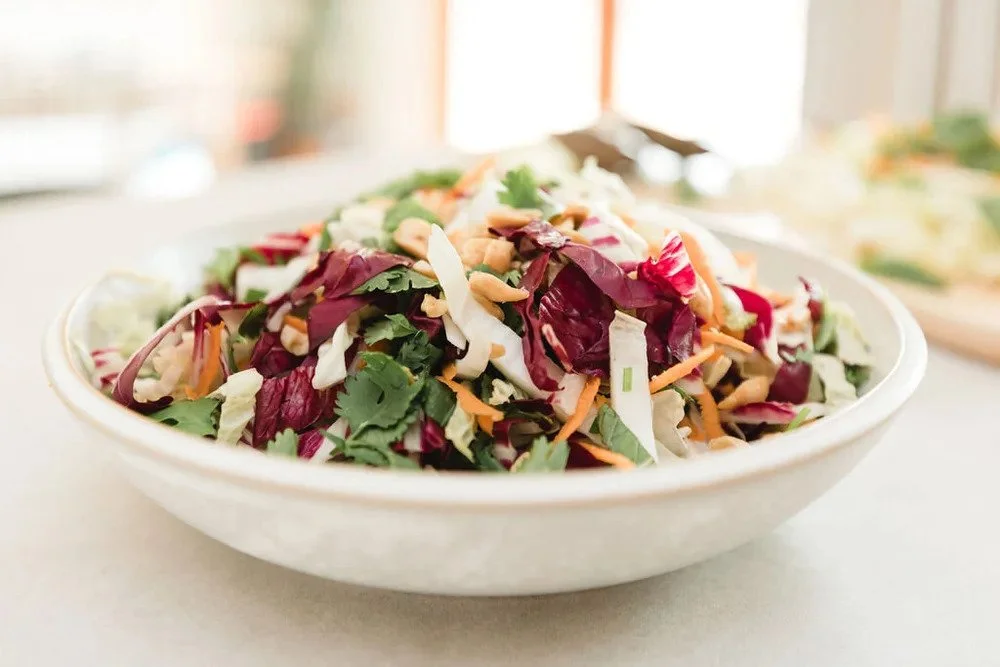
Although this recipe features napa cabbage, a fresh head of crispy, juicy green cabbage makes an ideal substitute.
Prepare the dressing by blending peanut butter, Sriracha, garlic, sugar, soy sauce, rice wine vinegar, oil, and lime juice.
Mix sliced cabbage, radicchio, carrots, cilantro, mint, and peanuts, then drizzle with the dressing.
Sauerkraut
Sauerkraut is the European version of pickled cabbage, a dish that's enjoyed across the globe. The fermentation process offers a number of health benefits, but many people eat sauerkraut simply because it tastes so good.
Place thinly sliced cabbage in a bowl with salt, and use a tamper to crush the slices so that they release liquid.
Transfer the cabbage and juice to a jar, and continue to mash it until the leaves are fully submerged in the juice.
Let the sauerkraut sit for at least a week to ferment, making sure all of the leaves stay submerged.
Braised Cabbage
This warm, savory braised cabbage recipe is the perfect healthy dish on a chilly winter evening.
Chop cabbage into quarters and place in an oiled baking dish with chopped onions and carrots.
Top with broth and seasonings, cover the pan with foil, and braise the dish in the oven for an hour. Flip the cabbage wedges over, and cook for another hour.
Green and Savoy Cabbage: Two Healthy and Delicious Veggies
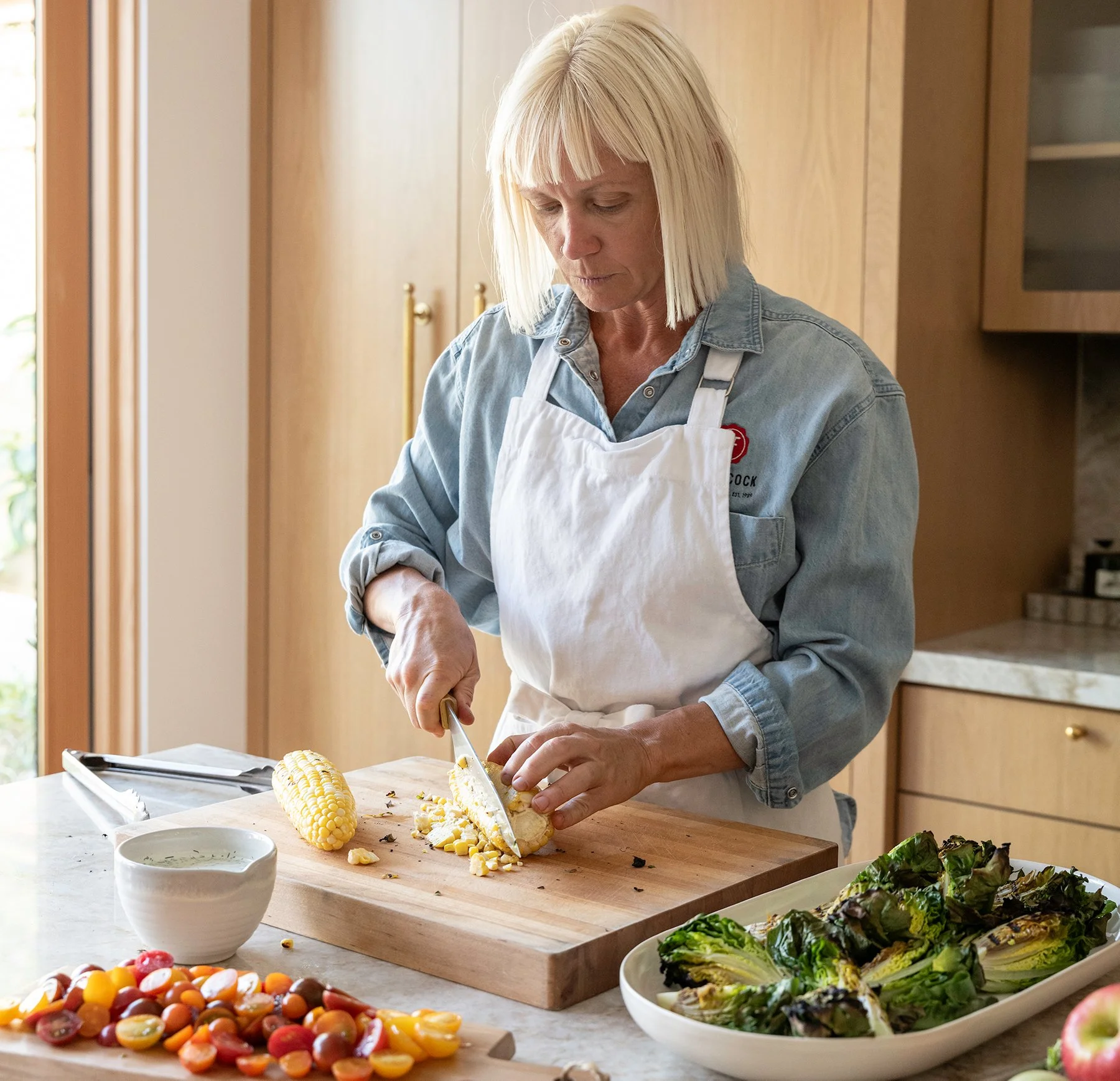
Green and savoy cabbage are both tasty, nutritious, and versatile staples.
Here at Hitchcock Farms, we understand how important it is to choose the right produce for your home or commercial kitchen.
We're committed to providing the best produce so that you can develop exceptional recipes for your diners.
FAQ
-
Both are delicious and healthy greens with a wide variety of uses.
Green cabbage tends to be better suited to salads, slaws, or other raw dishes. Savoy is an excellent choice for grilled, braised, or sautéed meals.
-
In most recipes, green cabbage makes a fine substitute for savoy. Keep in mind that green cabbage has a more peppery flavor, while savoy is sweeter.
-
Both varieties are rich in vitamins, minerals, and fiber.
Savoy cabbage is higher in potassium, vitamin A, magnesium, and folate. Green cabbage boasts more vitamin C and vitamin K.

