
As a restaurant operator, your customers trust that the food on their plate is safe to eat, so you need to make sure the produce in your dishes is kept cold from harvest all the way to your kitchen.
Without effective cold chain technology, we see disasters like the cyclosporiasis outbreak in the summer of 2026, which is linked to iceberg lettuce and bagged salad greens sourced from Mexico.
Here at Hitchcock Farms, we take seriously our responsibility to provide safe, fresh, and nutritious produce to our customers. Cold chain technology plays a major role in this commitment.
In this blog, you’ll learn what the cold chain is, why it's so important, and what happens when it gets disrupted.
What is the Cold Chain?
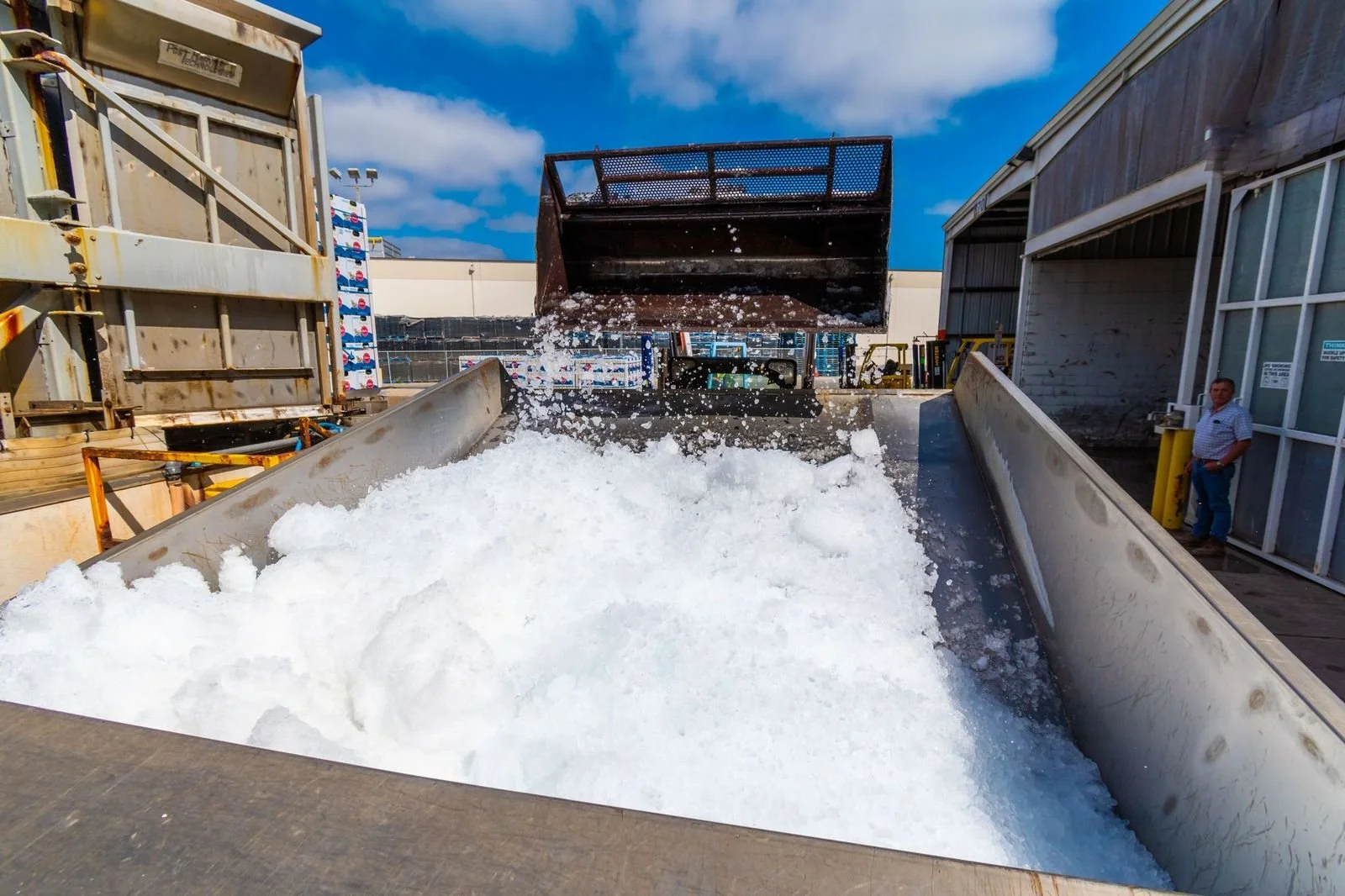
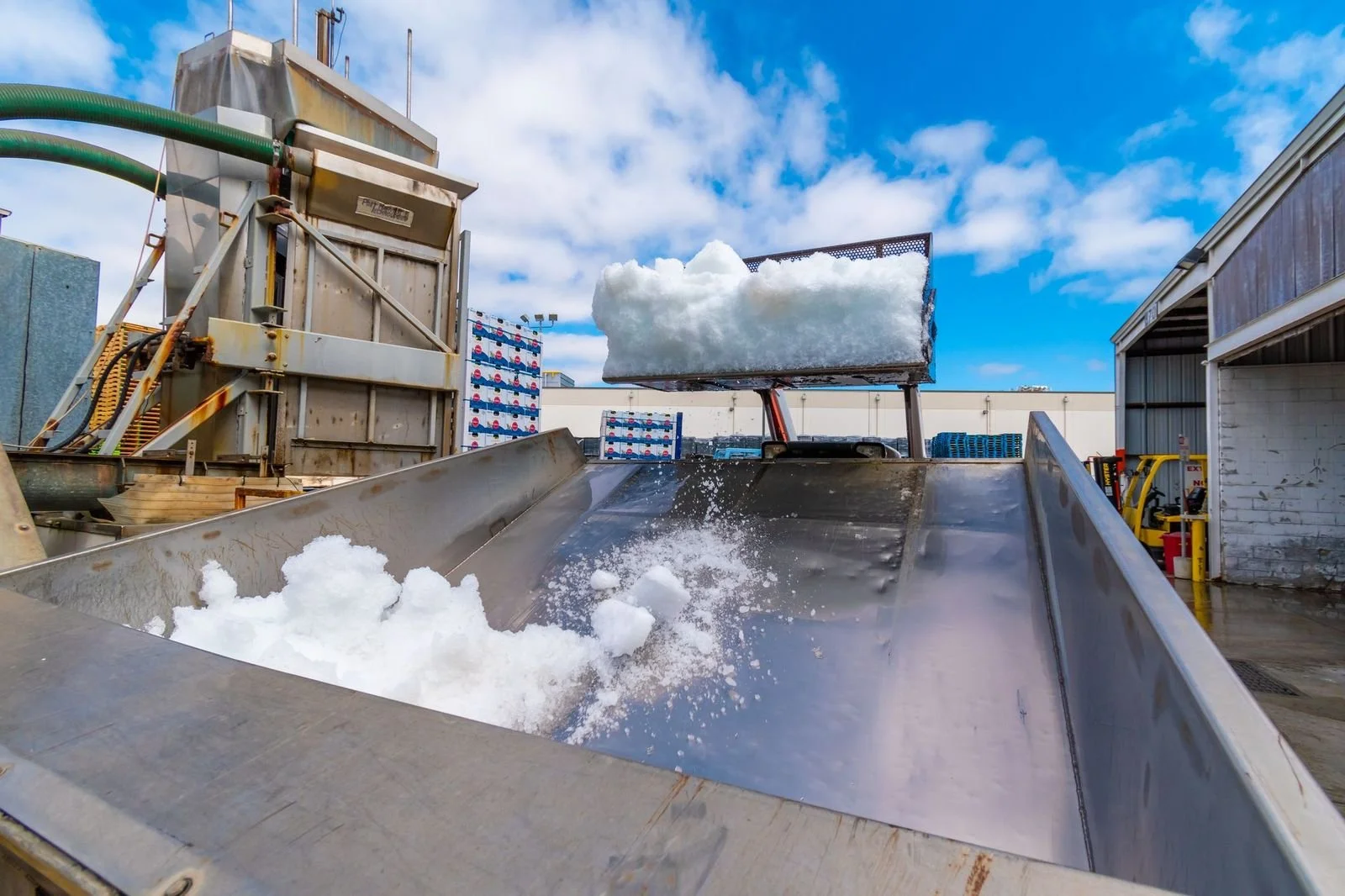
The cold chain is the system for maintaining cool temperatures to ensure food safety while harvesting, storing, transporting, and handling perishables.
This technology is critical at every step of the supply chain.
Produce must be cooled within just a few hours of harvest to prevent spoilage and waste and must stay cool until it reaches the dining table.
In fact, the transportation of produce was one of the first uses of mechanical refrigeration in the late 1800s.
Today, around 70 percent of all the food in the U.S. needs to be managed by cold chain technology.
Why the Cold Chain Matters
In many ways, the cold chain is what gives us access to fresh, nutritious, and varied foods year-round.
With cold chain technology, produce and other perishables can be transported all around the globe.
Here are just a few of the ways the cold chain has revolutionized the food industry:
Ensures Safety
Food safety is the top concern for farmers and foodservice professionals alike
Maintaining cool temperatures prevents the growth of pathogens that can be extremely harmful to your health.
The cold chain allows food to be shipped long distances without compromising its safety.
Promotes Freshness
Produce begins to lose freshness as soon as it's harvested, but cool temperatures greatly slow down this process.
Cooling or freezing produce right after harvest keeps it fresh even when it has a long journey to its destination.
The result is perfectly fresh, ripe, and delicious produce that diners get to enjoy.
Preserves Nutrition
Just like produce starts to age as soon as it's harvested, it also starts to lose its nutritional value.
Proper cold storage slows down the decay of the nutrients.
Freezing can prevent the nutrients from degrading altogether.
Reduces Waste
Unfortunately, about 25% of food products in the cold chain are wasted due to breaks in the chain.
Following the best practices and using the most advanced cold chain technology greatly reduces the risk of these breaks.
Eliminating food waste is one of the best ways to promote sustainability in the food industry.
What Happens When the Cold Chain Breaks
The cold chain isn't just one type of technology.
It's a series of practices and systems that all need to be honored for food to stay fresh across harvesting, storage, transportation, and preparation.
If just one point on the cold chain breaks, the food could be considered unsafe for consumption.
The following are just a few examples of cold chain breaches:
A blocked vent in storage leads to poor airflow, causing the produce to overheat.
Poor drainage in cold storage results in condensation dripping on the produce.
The dock door is left open during loading or unloading, resulting in rising temperatures.
The refrigerated trailer isn't pre-cooled, so produce is left at unsafe temperatures for too long.
Delays at hand-off points lead to produce staying in unregulated temperatures for longer than planned.
The Danger Zone
Breaks in the cold chain become a safety hazard when food spends too long in the "danger zone."
The danger zone is 40 degrees to 140 degrees Fahrenheit.
At these temperatures, bacteria, viruses, parasites, and other pathogens grow the most rapidly.
Produce should not be left in the danger zone for more than two hours. If temperatures are above 90 degrees Fahrenheit, produce can't be left out for longer than one hour.
The Cyclospora Outbreak
The 2026 Cyclospora outbreak has brought national attention to food safety issues.
The Cyclospora parasite can survive for weeks in soil and is resistant to standard sanitizing treatments. It also grows faster in warmer temperatures.
When consumed, the parasite reproduces in the intestinal tract. Then, it exits the body in feces and ends up in the sewage system.
Sewage treatment processes may not kill the parasite, so treated water can still contain Cyclospora.
If contaminated water is used for irrigation, the parasite makes its way back into the food supply, and the cycle continues.
The Cyclospora outbreak isn't purely a matter of cold chain failure. Many factors have likely contributed to this problem, including improper sanitation and food handling.
However, warm temperatures could have played a role in the parasite's rapid growth.
How to Keep Produce Safe and Fresh
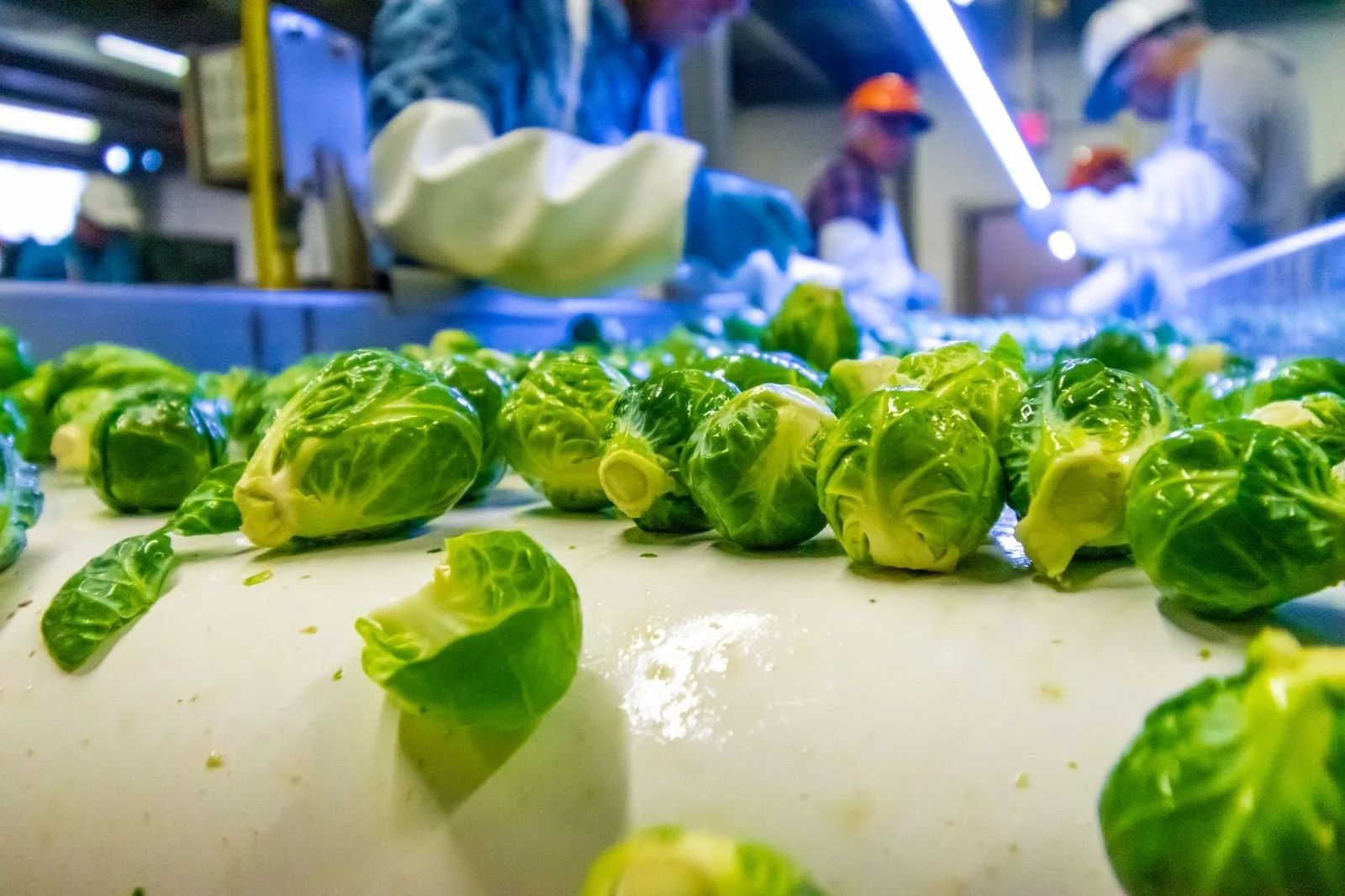
Everyone who works in the food industry is responsible for food safety, from farmers to logistics coordinators to restaurant managers.
Here are the key features of effective cold chain management:
Cooling Produce Quickly
The faster the produce is cooled after harvesting, the better.
Technology like hydrocooling, vacuum cooling, and forced-air cooling removes the field heat and slows the growth of pathogens.
Here at Hitchcock Farms, we rely on rapid vacuum cooling for the safety and freshness of our produce.
We use trained, in-house crews for our harvesting and production management, which ensures all of our team members are educated on the highest standards for food safety.
Sourcing the Produce Locally
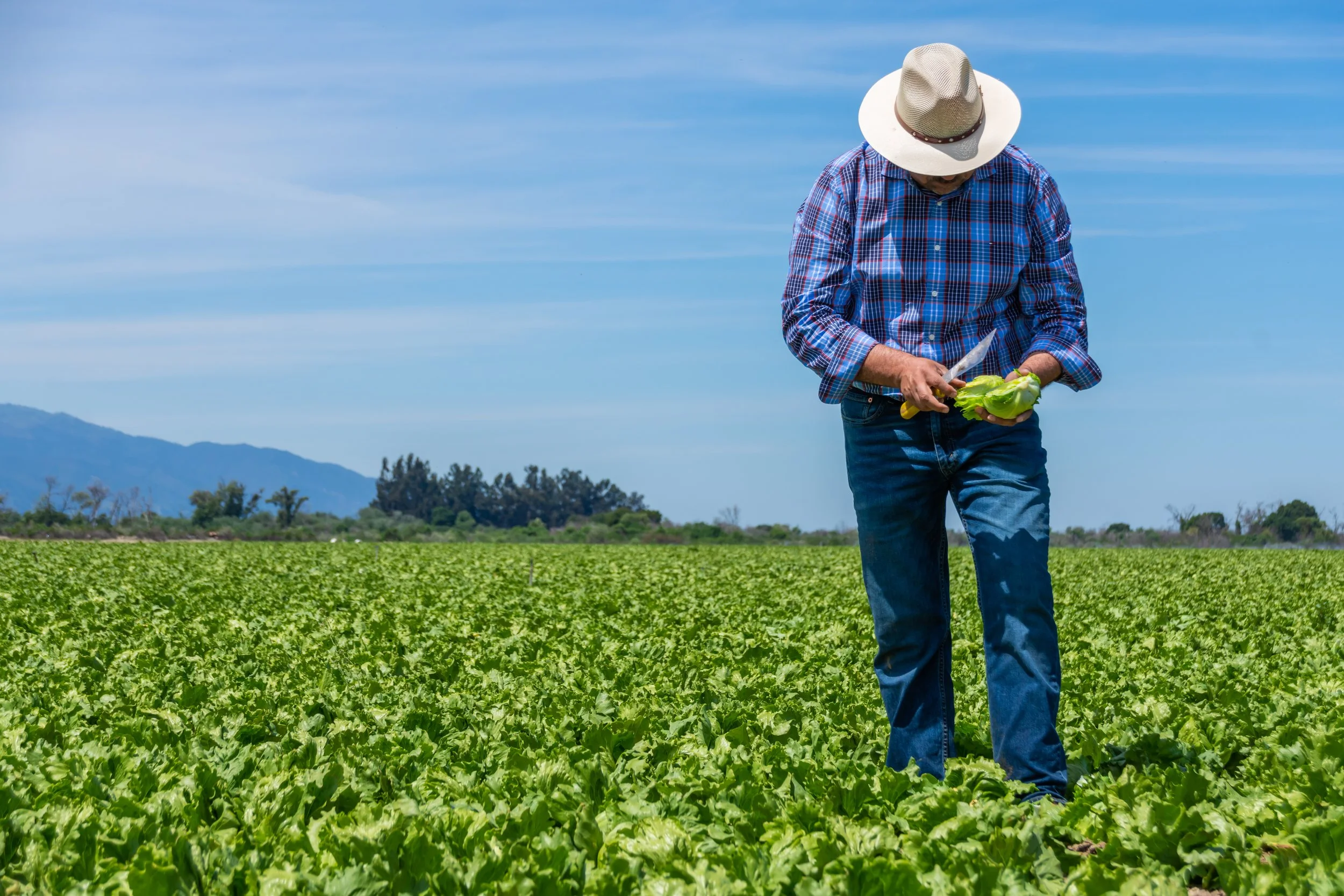
Fewer miles traveled usually means fewer opportunities for the cold chain to break.
Sourcing produce from local farms is an excellent way to promote freshness and safety.
When food does travel a long distance, best practice is to minimize the number of hand-offs during transportation.
Any time the produce is transferred from one cooler to another, there can be a risk of a cold chain breach.
At Hitchcock Farms, we currently grow all our produce in California, which has not been the source of any large-scale outbreaks recently.
Tracking Produce From Field to Kitchen
Farms and distributors should track produce at every point of the cold chain to confirm it's safe, fresh, and ready for consumption.
Modern systems like the Produce Traceability Initiative, or PTI, allow for case-level tracking. With PTI, a single item can be tracked all the way back to its original source.
If something does go wrong with the cold chain, this allows food safety professionals to identify the exact point of breach. Then, they can quickly recall all the affected items.
We recently implemented PTI at Hitchcock Farms, which allows us to trace contamination issues back to their source so we can pull the affected product from distribution before it reaches more consumers.
Keeping Produce Fresh From Farm to Fork
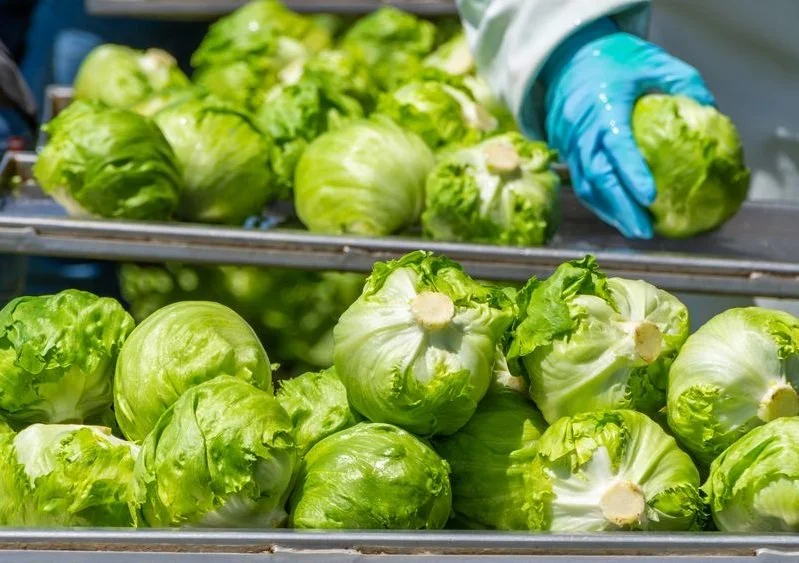
The cold chain allows produce to stay fresh, nutritious, and safe even when being transported thousands of miles.
At Hitchcock Farms, we understand how important cold chain management is, and we're committed to the highest standards of practice for food safety.
We take pride in our produce, and we hope you take pride in serving it.
FAQ
-
You should store fresh produce at temperatures of 40 degrees Fahrenheit or below.
-
1. Harvest: The cold chain begins when produce is picked and immediately cooled to remove field heat.
2. Storage: Cold storage typically occurs at a warehouse or distribution center and can last for days or weeks.
3. Transportation: This stage occurs when the produce is shipped to its destination, which can involve moving through multiple vehicles and transfer points
4. Delivery: The final delivery to supermarkets, restaurants, or other destinations requires careful coordination with the receiving team.
-
Some common signs that produce wasn't kept cold and is spoiling include wilting, softening, black or brown spots, a slimy appearance, a rancid smell, or the presence of mold.

