
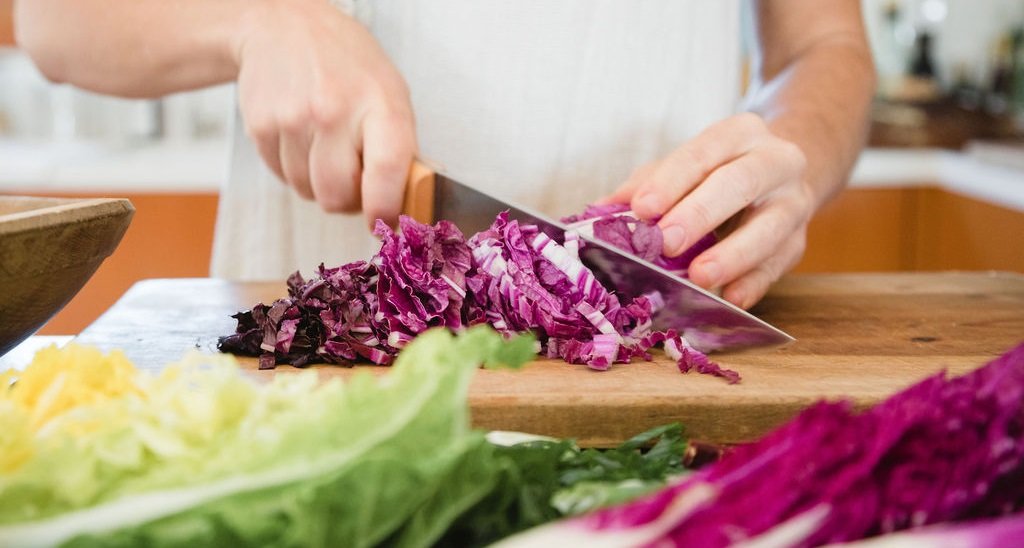
Hospital food has moved far past cafeteria trays and one-size-fits-all diet plates. In 2026, healthcare foodservice teams treat every meal as part of patient care, not an afterthought.
At Hitchcock Farms, we see that shift firsthand in the kitchens we supply every day.
In this guide, we share the trends reshaping hospital menus and how to put them to work in your own facility.
1. Medically Tailored Menus

Hospitals build menus around diagnosis now, not just general dietary restrictions.
A cardiac patient gets a low-sodium menu built around heart-healthy fats like olive oil. A diabetic patient gets a carb-controlled plate built around lean protein and non-starchy vegetables.
Facilities also expand beyond clinical conditions to cover Halal, Kosher, gluten-free, and plant-based diets as standard menu options.
Medically tailored meal programs (MTMs) go a step further, using food to manage chronic illness directly. A 2026 study found that patients receiving these meals had 31% fewer hospitalizations and 20% fewer emergency department visits, with healthcare costs dropping by $3,433 per person during the program period.
Some facilities now also adjust portion sizes and nutrient density for patients on GLP-1 medications.
Here at Hitchcock Farms, we supply the fresh, high-quality vegetables and greens these medically tailored diets depend on, since the nutrient density of the produce itself is part of what makes the diet work.
2. The Cafeteria as a Food Hall
Traditional cafeterias are becoming food halls with multiple made-to-order stations instead of one steam line, reflecting a broader shift away from the cafeteria as one fixed place.
Staff expectations back up the shift: 85% want quick-to-order options, and 79% want food that's fast to eat during a short break, while 94% expect high-quality ingredients and 48% specifically want wellness-supporting choices, not just convenience.
For hospitals, that means a café that turns out a fresh bowl or sandwich in minutes, with ingredients good enough that staff choose it over driving off campus.
3. Technology-Driven Dining
Mobile and QR ordering now let patients build their own meals from a bedside device, the same way they'd order from a restaurant. That autonomy matters during a hospital stay, and it cuts food waste since patients order what they'll actually eat.
Behind the scenes, AI-powered kitchen software predicts how much food to prep based on what patients and staff actually order, instead of guessing.
Allergen tracking software flags an allergen on a tray that conflicts with a patient's chart, or catches shellfish that's slipped into a low-sodium order, before either tray leaves the kitchen.
These are exactly the kind of mistakes that used to slip through under manual systems.
4. Function-First, Nutrient-Dense Menus

Beyond clinical diets, kitchens now build every dish around function, giving patients, staff, and visitors high-protein, high-fiber options that support recovery, energy, and focus, not just calories on a tray.
Clean-label ingredients matter too: facilities are cutting artificial dyes and additives across the board.
Menus increasingly lean on gut-health ingredients like probiotics and fermented foods, since digestive wellness has become one of the biggest drivers in food and beverage choices going into 2026.
Cognitive-focus ingredients are showing up too: registered dietitians name adaptogens and reishi mushrooms among the ingredients patients will seek out most this year.
5. Community Outreach Through the Kitchen
Healthcare kitchens reach past their own walls. Facilities run wellness workshops that teach patients and community members practical cooking skills they can use at home, not just theory.
Many partner directly with local schools, nonprofits, and community organizations for catering and on-site events. Some also host their own farmers' markets on hospital grounds.
Sentara Northern Virginia Medical Center's weekly market is back for its second season in 2026, while Mountainview Hospital in Las Vegas just launched its first one this year, giving patients, staff, and neighbors the same fresh, local produce that stocks hospital kitchens.
These markets build the kind of farm-to-hospital relationships that boost patient satisfaction and strengthen ties with the community.
6. Sustainable and Local Sourcing
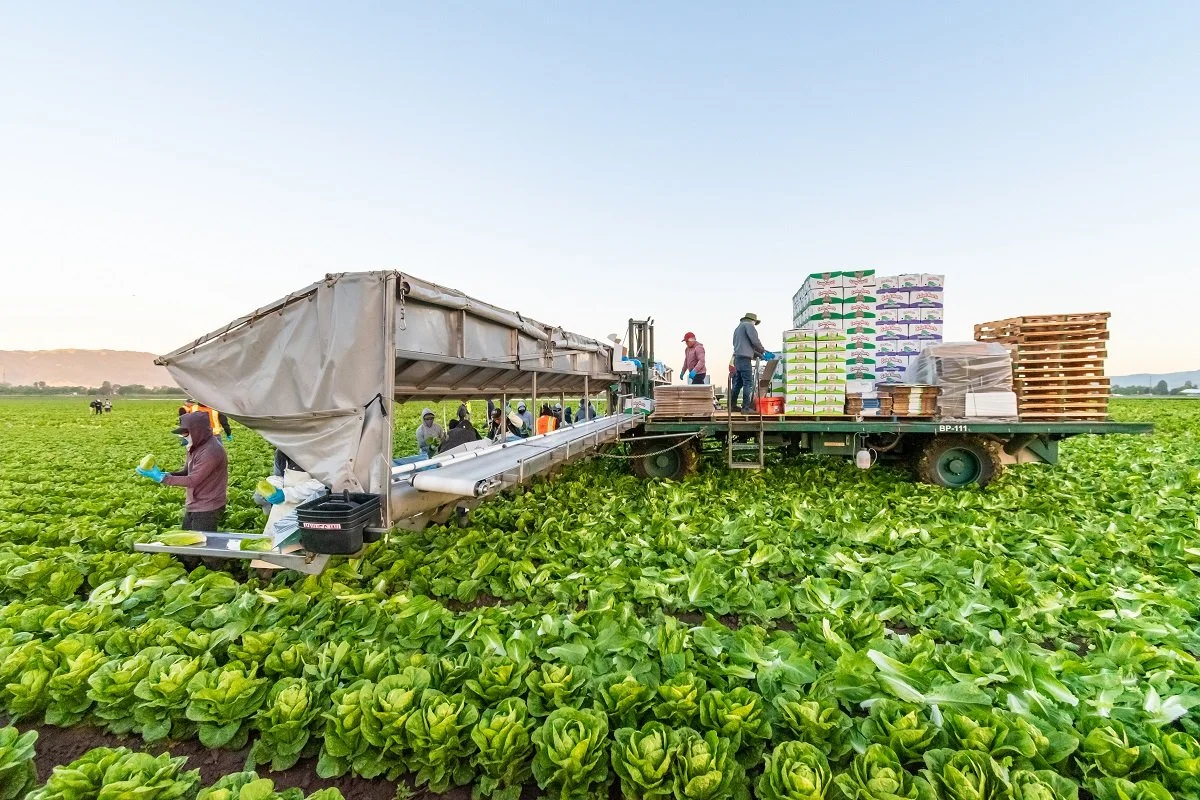
Hospitals are rethinking where their food comes from, not just what's on the plate.
Dr. David Lubarsky built a farm-to-fork sourcing program during his time as CEO of UC Davis Health, based on exactly this idea: sourcing food regionally cuts down on transportation emissions and strengthens the local farms that anchor a community's economy, benefits that reach patients, staff, and the environment all at once.
Packaging is getting the same scrutiny. Foodservice teams are moving toward compostable containers, recyclable materials, and source-reduced packaging that uses less plastic without sacrificing durability, a shift driven by both environmental regulation and patient expectations.
Here at Hitchcock Farms, our sustainable practices include regular crop rotation to protect soil health, drip irrigation to minimize water use, and a 30% increase in our use of recyclable cartons in recent years. We also ship the majority of our brussels sprouts in reusable containers that get washed, sanitized, and sent back for reuse instead of the trash.
Serving the Very Best
Whether they’re cooking at home or headed for a favorite restaurant, consumers continue to prefer settings that offer a variety of healthy food choices. They’ve come to expect that same attention to their evolving tastes when they dine in healthcare settings.
We’re proud to be a part of your ongoing commitment to ensure that patients, visitors, and staff at your facility are always served the very best. You can depend on Hitchcock Farms as your premier supplier for the freshest produce available year-round.
FAQ
-
It's gotten much healthier in recent years. Hospitals have moved away from the bland, one-size-fits-all trays of the past toward menus built around real nutrition, fresh produce, and diets tailored to each patient's condition.
-
Ordering based on real-time patient counts instead of fixed quotas cuts down on over-preparation, one of the biggest sources of food waste in hospital kitchens. Tracking what patients actually eat on their trays also helps kitchens catch patterns, like a dish nobody finishes, and adjust future orders accordingly.
-
Fresh fruits and vegetables give patients the vitamins, fiber, and nutrients their bodies need to heal, and they're a core building block in low-sodium, high-fiber, and plant-based diets. A patient with a limited appetite may only get through half a plate, so every bite needs real nutritional value, not empty calories from wilted or lower-quality produce.

