
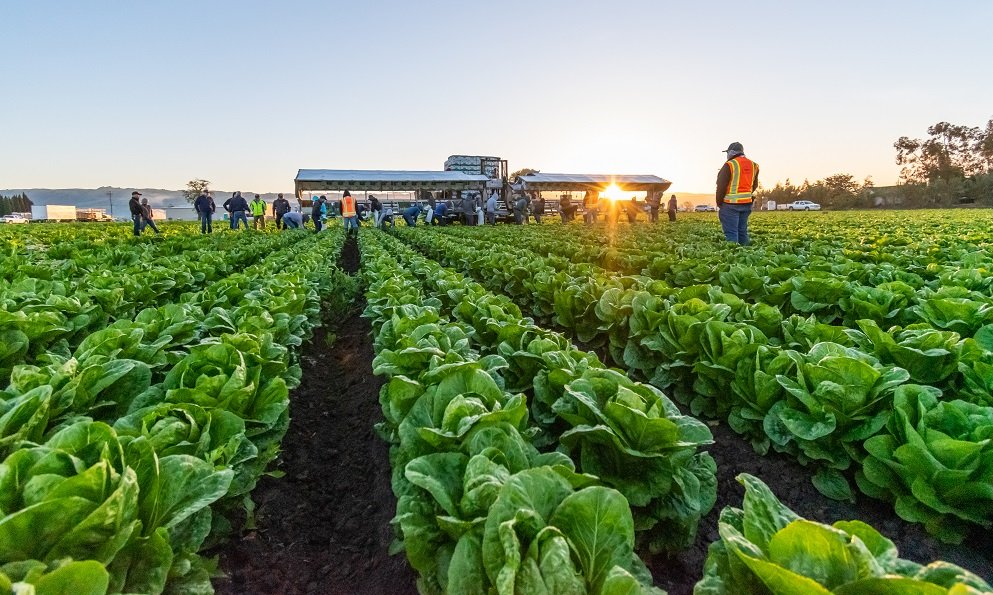
In the foodservice industry, providing a great dining experience starts with your menu sourcing.
Finding fresh, high-quality produce with the right wholesaler ensures that your guests keep coming back for more.
In this blog, we're sharing our strategies for choosing the best produce wholesaler for your foodservice establishment.
How to Find a Quality Produce Wholesaler You Can Trust
1. Decide which type of supplier you need
First, determine which type of wholesaler is the best fit for your restaurant.
The right choice can depend on your establishment's size, location, and menu.
Here are some of the most common types of wholesalers:
Broadline Distributors
Broadline distributors, or general-line distributors, are your one-stop shop for your food sourcing needs.
They offer produce alongside meat, dairy, dry goods, kitchen supplies, and more.
If you value the ease and efficiency of ordering all your restaurant goods from one place, a broadline distributor can be a great option.
Notable Brands: Sysco, US Foods, and Gordon Food Service
Specialty Distributors
Specialty distributors focus on delivering high-quality products within a certain niche.
Some specialty produce distributors offer all types of produce, and others offer a narrower range of fruits and vegetables.
If fresh produce is the shining star of your menu, partnering with a specialty distributor may be in your best interest. Specialty distributors offer niche produce items year-round so that you're always providing your diners with quality ingredients.
Notable Brands: Dole Food Company, Seneca Foods Corporation, Baldor Specialty Foods
Produce Brokers
A produce broker acts as a middleman between a restaurant and its suppliers.
The agency isn't directly responsible for growing, storing, or shipping the produce, but they connect buyers with suppliers and help to negotiate the deal.
Partnering with a broker is a good option for restaurant owners who need a wide variety of produce items and prefer to outsource the logistics of their menu sourcing.
Notable Brands: United Natural Foods, Inc., Johnson O'Hare
Grower-Shippers
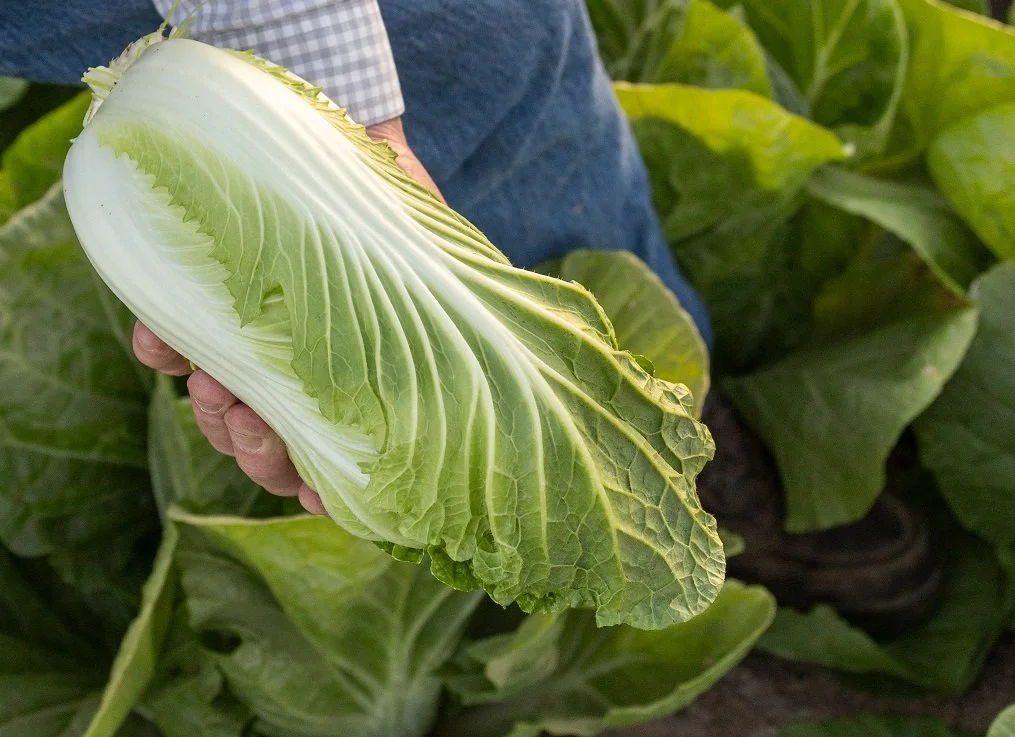
Grower-shippers are farms that manage the growing, storage, and shipping of their own produce.
When you work with a grower-shipper, the produce is in the hands of just one company until it reaches your foodservice facility.
Fewer hand-offs mean faster transit, more transparent sourcing, and a lower risk of supply chain errors like inaccurate inventory or cold chain failures.
Notable brands: Hitchcock Farms is a top grower-shipper based in California. Our farm supplies restaurants across the United States and Canada with a wide variety of quality vegetables.
2. Use Industry Resources to Find Suppliers
Once you've identified the type of wholesaler you'd like to work with, you can begin searching for specific suppliers.
Here are some of the best resources for finding produce suppliers:
Produce-Specific Directories
Online produce directories are a convenient and comprehensive way to research suppliers.
The Produce Market Guide Company Index, which lists over 37,000 produce suppliers just in the United States alone, is one of the top directories for foodservice professionals.
Blue Book Services also provides valuable information about quality and pricing for thousands of suppliers in the produce industry.
The USDA provides several searchable directories for food wholesalers as well. For example, their Local Food Portal allows you to search for specific produce items by location to discover suppliers that meet your criteria.
Trade Associations
Trade association websites are another helpful way to discover suppliers.
Check out the member lists for organizations like the International Fresh Produce Association and the Fresh Produce Association of the Americas.
Foodservice Conferences
Conferences create an opportunity to connect with a wide variety of industry professionals, including wholesalers.
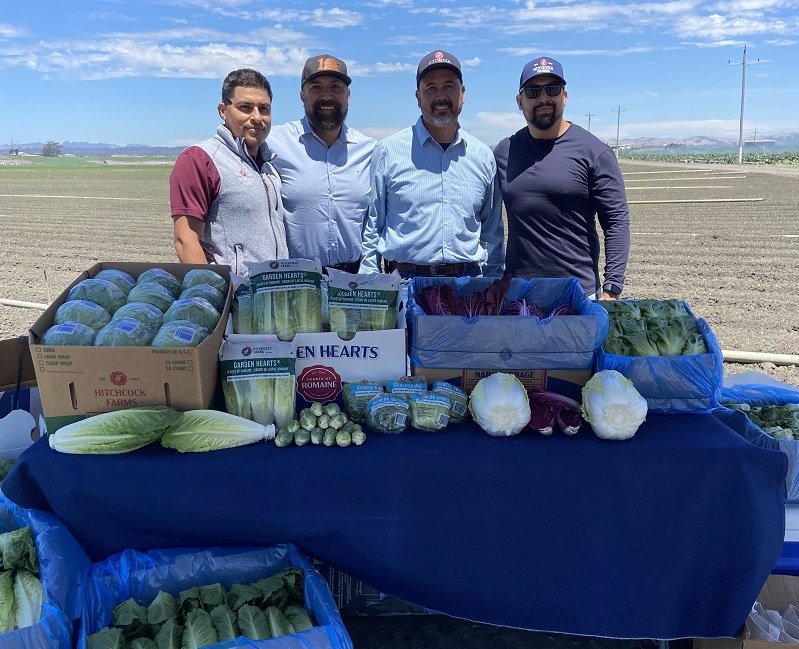
At Hitchcock Farms, we've proudly participated in various conferences and food shows over the years, including:
IFPA Foodservice Conference & Expo – Held in Monterey, California, this annual event brings together foodservice buyers, distributors, and fresh produce suppliers. In 2026, our Purple Napa Cabbage Hearts earned the Best Product Promo award at the expo.
IFPA Global Produce & Floral Show – One of the produce industry's largest trade shows, this event gives us the opportunity to showcase our products, explore industry trends, and connect with produce professionals from around the world.
PMA Foodservice Conference & Expo – We introduced our Napa Cabbage Hearts at this Monterey event in 2021, giving foodservice professionals a chance to discover a versatile new addition to their menus.
National Restaurant Association Show – This major Chicago trade show connects food suppliers with restaurant owners, chefs, and foodservice operators. It's also where we first introduced our signature Iceberg Babies® lettuce to the foodservice industry in 2005.
Local Connections
Never underestimate the value of word-of-mouth recommendations.
Ask other restaurant owners in your space which suppliers they use and whether they're happy with the partnerships.
If you haven't already, connect with your state's restaurant association to hear reviews and recommendations from other professionals in the industry.
3. Visit terminal markets
It's always wise to check out a supplier's offerings in person before committing to a partnership.
Terminal markets are an excellent opportunity to check out wholesalers' produce and make some side-by-side comparisons.
Your nearest city likely has a terminal market where food wholesalers offer their wares to prospective buyers.
Examples include:
SF Market in San Francisco
McAllen Produce Terminal Market in Texas
The USDA's Agricultural Marketing Service tracks terminal markets across the United States and provides up-to-date information on which suppliers are selling which crops.
4. Go directly to grower-shippers
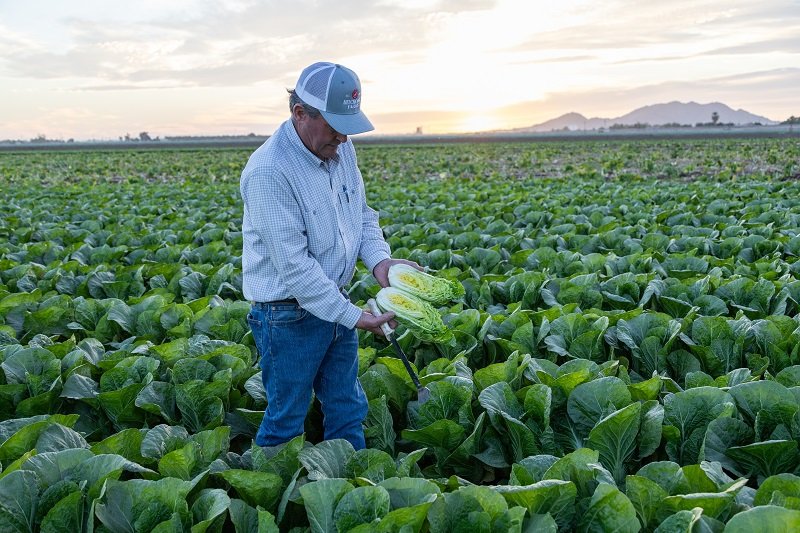
While there are many distributors and brokers in the produce market, many restaurant owners prefer to go directly to grower-shippers with their produce needs.
There are countless advantages to partnering directly with the farms that grow your kitchen's produce.
Grower-shippers like Hitchcock Farms handle the entire production process from planting to delivery.
Because the produce doesn't change hands until it reaches your kitchen, you avoid paying the additional fees charged by distributors and reduce the risk of incorrect orders, missing items, or delivery delays.
This is also the most efficient way to get produce from the field to your kitchen, ensuring it arrives as fresh as possible.
Working with a grower-shipper also means you know exactly where your produce comes from, allowing you to share your menu's story transparently with your diners.
5. Vet each supplier before you commit
Getting an in-person look at a supplier's produce at your local market is one step in the vetting process.
The next is to do a deep dive on the wholesaler's food safety, traceability, and licensing history to make sure they consistently provide safe and healthy products.
Third-Party Audits
Third-party audits are one of the best ways for a produce supplier to confirm their integrity.
Ask the supplier for their audit report, and contact the accreditation body to verify it.
Some auditing organizations have directories available so that clients can search for suppliers' certificates.
The USDA Good Agricultural Practices & Good Handling Practices (GAP&GHP) are voluntary audit programs that assess whether a supplier is following best practices to reduce the risk of contamination.
PrimusGFS is another popular third-party auditing program in the produce industry that assesses food safety practices along the entire supply chain.
FDA Compliance
The FDA's Food Safety Modernization Act was created to prevent foodborne illness by establishing food safety standards for the global supply chain.
The FSMA has detailed standards for the safe growing, harvesting, packing, storing, and shipping of fruits and vegetables.
It also requires American importers to confirm that foreign suppliers adhere to the same safety standards.
Any supplier you work with should be in compliance with the FSMA.
The FDA recognizes several third parties who can provide accreditation for FSMA compliance. Some of these organizations include:
PACA Licensing
Another important credential to look for is a PACA (Perishable Agricultural Commodities Act) license.
This is a license issued to produce suppliers by the USDA that confirms the suppliers are meeting fair trading practices.
You can trust that a licensed supplier will meet their contractual obligations.
If they don't, the USDA will provide dispute resolution.
Produce Traceability Initiative
The Produce Traceability Initiative is a set of best practices for traceability in the produce industry, which promotes proper food handling and food safety.
While compliance with the PTI isn't required by law for a supplier to be in business, we highly recommend that you only partner with wholesalers who abide by the PTI's standards.
Disease outbreaks, like the recent Cyclospora outbreak, can spread through the supply chain incredibly quickly.
The practices outlined by PTI allow suppliers to trace their supply accurately and efficiently during a recall, which keeps consumers safe and healthy.
Hitchcock Farms is proud to adhere to PTI's standards for safety and traceability.
Our team tracks produce at every point along the cold chain to ensure it stays safe, fresh, and ready for consumption.
Produce Sourcing Made Simple
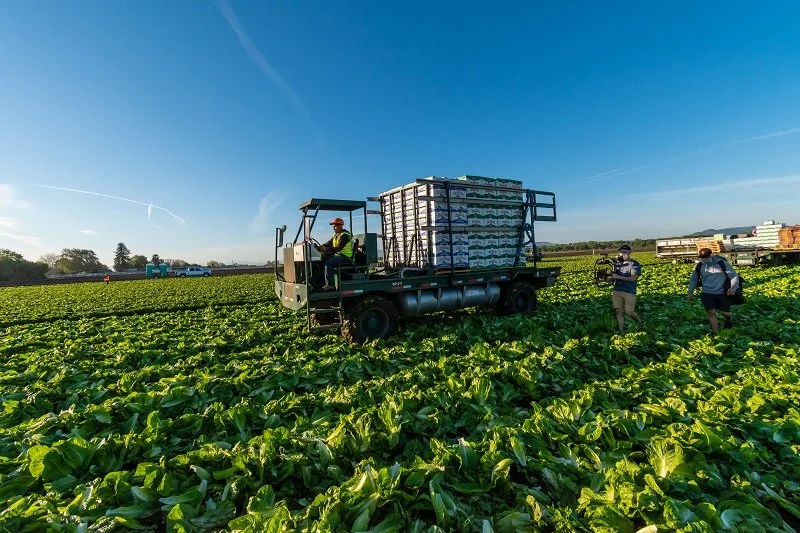
Choosing the right produce supplier for your commercial kitchen may seem overwhelming, but it doesn't have to be complicated.
Decide which type of wholesaler best suits your restaurant, research suppliers in that niche, and vet each company until you find the one that meets the highest food safety standards and provides the highest quality produce.
If you're looking for a trusted grower-shipper, Hitchcock Farms is happy to help.
Our California-grown produce is a hit in restaurants across the United States, and our team is always committed to exceeding industry standards.
FAQ
-
Working directly with a grower-shipper is the best way to buy bulk produce.
By partnering with a grower-shipper, you reduce the trade-offs that happen throughout the supply chain and ensure the produce arrives to you as fresh as possible.
-
While large wholesalers are sometimes needed to meet the needs of a high-volume restaurant, we always encourage local sourcing to get the freshest and most delicious produce.
-
Restaurants are required to follow the FDA's standards for safe food sourcing, so they can only buy from suppliers who are in compliance with these regulations.
Some suppliers partner directly with restaurants, and others work with brokers to manage deals.
You can buy produce from Hitchcock Farms through your local distributor, or you can contact us directly for support with placing an order.

